 TheWoWDB
WoW PvP Leaderboards - US
Browse current World of Warcraft PvP ladders, bracket leaders, and seasonal rating cutoffs for the US region.
Updated 2026-09-20 10:10 UTC · Season 42
Choose a Leaderboard
Pick a bracket to view full rankings, top players, specs, and ratings.
 Reigning No. 1Manongauz
 2,9365,002 ranked
 Reigning No. 1Zizdh
 2,5485,007 rankedReigning No. 1Lunartiç
 2,3702,834 ranked
 Reigning No. 1Habibieu
 2,79088,541 ranked
 Reigning No. 1Dean
 2,52745,891 ranked
How WoW PvP leaderboards work
These leaderboards organize current World of Warcraft PvP rankings by bracket, rating, class/spec, and season. Use the cards above to open a full ladder or check seasonal cutoff targets.
Every ranked bracket is here - 2v2 and 3v3 Arena, Rated Battlegrounds, Solo Shuffle and Battleground Blitz - rebuilt from Blizzard’s own PvP API and refreshed every few hours. Climb past Combatant, Challenger, Rival, Duelist and Elite toward the prestige Gladiator and Rank 1 titles; the current thresholds for every bracket are on the PvP cutoffs page. Click any player to open their full profile - gear, copyable talents, and their record across PvP and Mythic+.
Rated PvP ranks
| Rank | Entry rating | Rating band |
|---|---|---|
 Solo Shuffle - 1 - Unranked Solo Shuffle - 1 - Unranked | 0 | 0 - 1,000 |
| 3v3 - 1 - Unranked | 0 | 0 - 1,000 |
| 2v2 - 1 - Unranked | 0 | 0 - 1,000 |
| RBG - 1 - Unranked | 0 | 0 - 1,000 |
| Solo RBG - 1 - Unranked | 0 | 0 - 1,000 |
| 2v2 - 2 - Combatant I | 975 | 975 - 1,200 |
| 3v3 - 2 - Combatant I | 975 | 975 - 1,200 |
| Solo RBG - 2 - Combatant I | 975 | 975 - 1,200 |
| Solo Shuffle - 2 - Combatant I | 975 | 975 - 1,200 |
| RBG - 2 - Combatant I | 975 | 975 - 1,200 |
 RBG - 3 - Combatant II RBG - 3 - Combatant II | 1,175 | 1,175 - 1,400 |
| 2v2 - 3 - Combatant II | 1,175 | 1,175 - 1,400 |
Every ladder row on this site wears the medal for its rating band. Current season cutoffs.
Rated arena maps
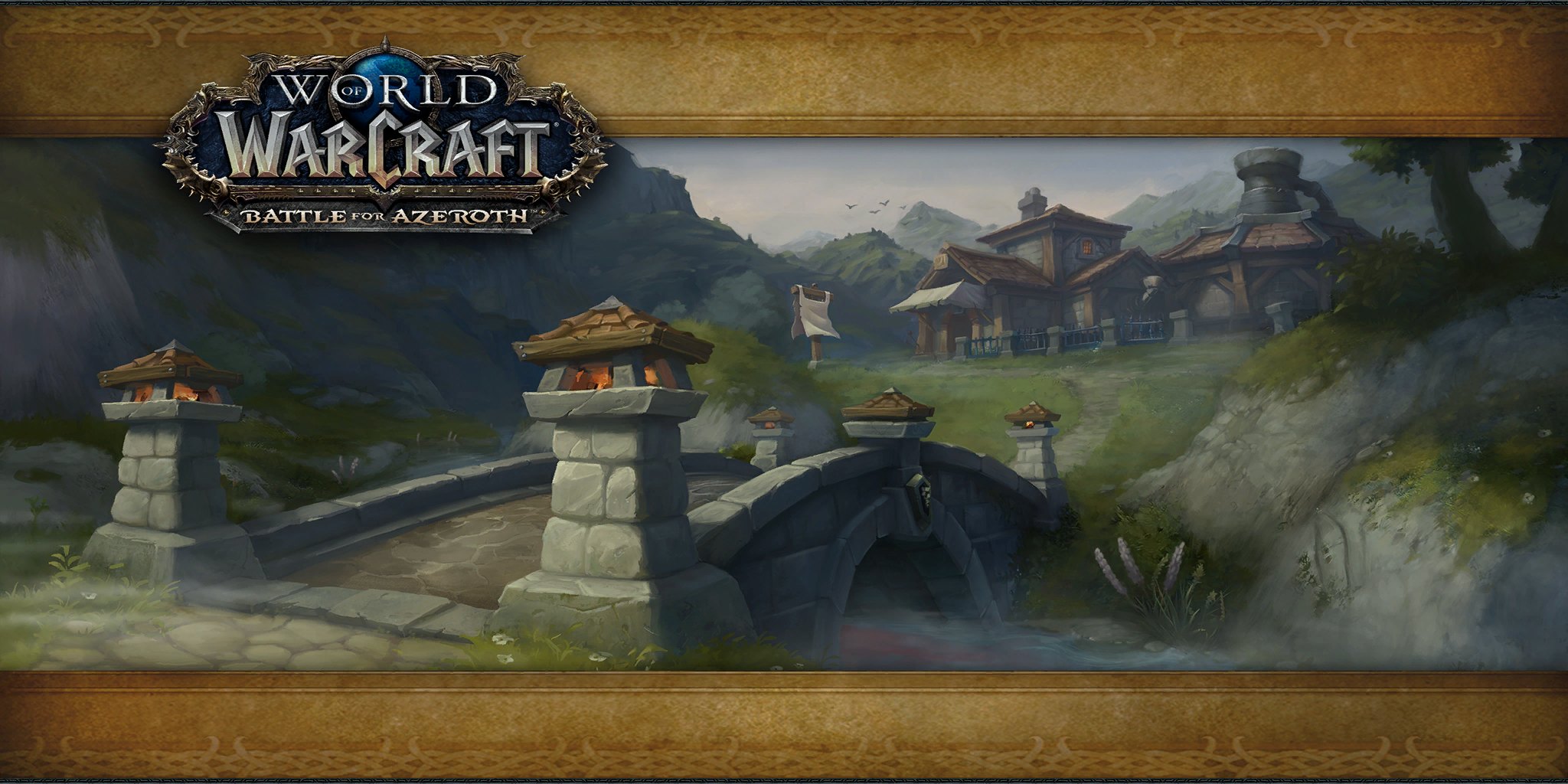
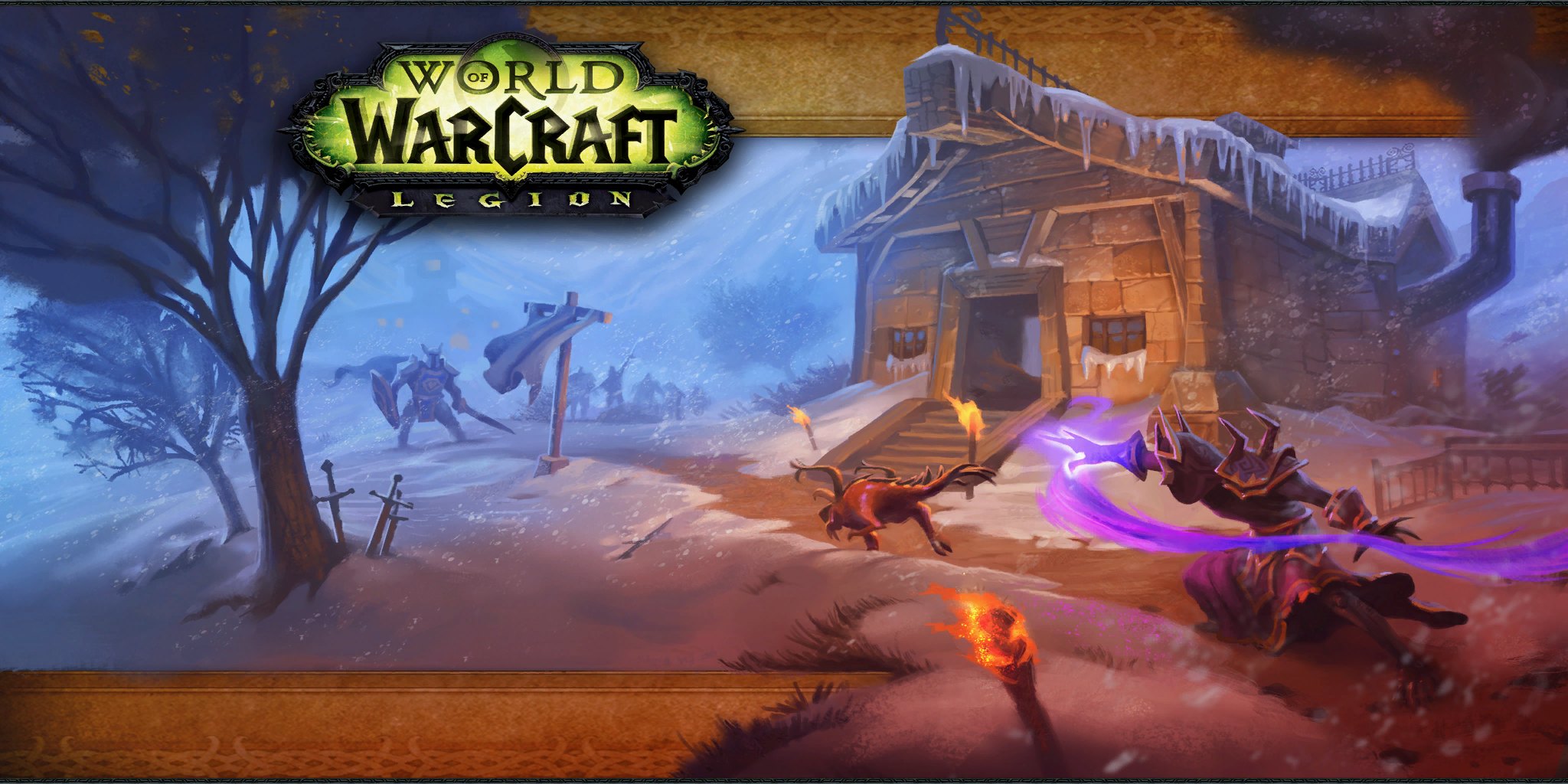
The arenas a rated ladder is played on, with each map's own loading screen.



Rated battleground maps
The battlegrounds rated play draws from, with each map's own loading screen.



Every class in rated PvP
The thirteen classes the ladders below are built from. Each one opens its class page - specs, talents and abilities.


PvP in World of Warcraft
Player-versus-player combat is one of the cornerstones of World of Warcraft. Whether you prefer structured arena matches, fast-paced battleground brawls, or spontaneous encounters in the open world, PvP offers distinct ways to test your skills against real opponents. This guide walks you through the different PvP formats available in the game, how rating systems and ladders work, what gear choices matter, and how to get started if you are new to competitive play.
Arena combat: 2v2 and 3v3
Arenas form the most concentrated, skill-based PvP in retail WoW. You enter a small arena map with your teammate or teammates, and the match is over when one team is eliminated or time expires. The two main arena brackets are 2v2 (two players per team) and 3v3 (three players per team).
In 2v2, the smaller team size means each player's individual skill and decision-making carry enormous weight. You cannot hide behind numbers or rely heavily on numbers mattering less. A well-coordinated pair of players can beat a larger skill gap through communication and positioning. Every decision cascades: if your healer wastes a cooldown, you might not survive the next enemy burst. If you miss a crucial crowd control, your partner dies. The format rewards focus and communication. 3v3 introduces more variables: more cooldowns to track, more crowd control to manage, and more room for tactical setup and comebacks. Many players find 3v3 to be the more "complete" format because it demands mastery of your class, awareness of all three opposing abilities, and coordination with two partners. A 3v3 team of specialized players (tank, healer, damage) can execute complex strategies that no 2v2 pairing can replicate.
Arena ratings begin at zero and climb as you win matches and lose points when you lose. The ladder separates players into tiers: Combatant, Challenger, Rival, Duelist, Elite, and at the top, Gladiator. Rank 1 is the single highest-rated player in each bracket. If you watch or play arenas, you will hear the term "rating inflation" or "rating deflation", which refers to how the average rating across all players climbs or falls from season to season as the reward thresholds shift. The exact numbers move by design to hit the same percentage of players at each tier each season. This is normal and reflects the size and skill of the player base, not an across-the-board power creep.
Arena maps vary by season and expansion. Some arenas are tight, with limited space that favors burst damage and crowd control. Others are wide open, rewarding kiting and range classes. The map rotation means you face the same arena repeatedly throughout a season, so veteran players study each map and learn optimal positioning and line-of-sight tactics. Certain classes shine on specific maps: ranged players prefer open arenas with lots of pillars and line-of-sight, while melee-heavy teams look for tight maps where enemies cannot kite forever. Knowing the map is half the battle.
Solo Shuffle: a new way to climb
Solo Shuffle is a relative newcomer to retail PvP, designed to let players compete in a team format without requiring a fixed group. In Solo Shuffle, you queue alone and are placed into a temporary 3v3 team with two other random players. The twist is that teams shuffle after each round: you might be on different teammates for the next match. The outcome is rated, and your rating climbs or falls based on wins and losses.
Solo Shuffle appeals to players who cannot commit to raiding a third friend into their regular arena partner or want to avoid the "three-stack gatekeeping" problem where established teams hoard rating. The format also gives you practice against diverse opponents and playstyles every few minutes rather than grinding into the same three-team bracket rotation. Many solo players report that Solo Shuffle is the best way to learn because you face new matchups constantly and cannot blame your team comp for losses.
The downside is less predictability. You have no voice communication with shuffled teammates and sometimes receive minimal callouts or coordination. A damage dealer might not know the healer is out of cooldowns. A tank might get focus-fired by damage that a coordinated team would split. High-level Solo Shuffle players compensate by playing self-sufficient characters and making strong solo decisions that do not depend on team coordination. They focus on survivability rather than damage output and avoid positions where they rely on teammates to peel enemies off them.
The rating is real and reflects your individual skill in a team setting. Unlike 3v3 where you can blame a bad partner, Solo Shuffle rewards pure decision-making and positioning because your team is always changing. Players who climb fastest in Solo Shuffle are often specialists on a single class or spec because they know their toolkit inside-out and can adapt to any team composition.
Battleground Blitz and rated battlegrounds
Battlegrounds are large-scale PvP matches where two teams of players (usually ten or more per side) fight over objectives on maps the size of small zones. Blitz is a newer, faster version: smaller teams and shorter match times, designed to feel more action-packed than the traditional long battleground grinds. A Blitz match might last ten to fifteen minutes, whereas a rated battleground can stretch to twenty or thirty minutes depending on how evenly matched the teams are.
Rated Battlegrounds use the full-size battleground maps and team sizes, scaled to a smaller roster (typically six to eight players per team) for competitive play. Rated Battlegrounds demand precise coordination: your team needs a tank to hold choke points, a healer to keep players alive under pressure, and coordinated damage to focus-fire priority targets. Some rated battleground teams are highly structured, with regular voice communication and pre-planned strategies for each map.
Both Blitz and Rated Battlegrounds use rating systems similar to arenas. Your team's rating is tracked separately from your personal rating, and solo queue versions pair you with random teammates each time. The main difference is that battlegrounds emphasize objective play (capping flags, holding bases, collecting resources) and large-scale coordination rather than pure individual skill. A single healer or tank can swing an entire ten-player match by positioning correctly or making a crucial save. The best battleground players are not always the top damage dealers but the ones who understand map strategy and know when to pressure an objective versus when to play defensively.
Battleground maps rotate seasonally and include classic designs from vanilla, Burning Crusade, Wrath, and later expansions. Each has unique layouts, choke points, and sightlines. Learning which map you are queued into and how your team's composition matches up is the first step to winning consistently. Maps like Alterac Valley emphasize long-range skirmishing and base control, while tighter battlegrounds favor explosive teamfights and mobility.
Understanding the rating ladder
Every ranked bracket on TheWoWDB is organized by rating. The higher your rating, the higher your position on the ladder. Ratings start at zero and climb without an upper limit, though only Rank 1 players reach the highest tiers in any given bracket.
The ladder shows you several things at a glance: the current Rank 1 player, tier placements across the bracket, and how many players sit at each tier. If you click a player on the ladder, their profile reveals their class, specialization, current gear, copyable talents, and their win-loss record across all formats they play. This information is live and updates every few hours as matches are played.
Rating is designed to stabilize around the same percentile of the player population each season. This is called "rating inflation" when new seasons start higher and "rating deflation" when the player base shrinks. Do not get discouraged if you see Rank 1 fluctuate from season to season. The competitive ladder is still selecting the same top percentile of players. The number itself fluctuates, but the skill threshold does not.
Your personal rating reflects your performance in your chosen bracket. You can climb simultaneously in multiple brackets (2v2 and 3v3 arenas, for example, have separate ratings) or specialize in just one. Many players maintain ratings in two or three brackets but climb fastest when they focus on a single format and team. Your rating is tied to your character and realm, so transferring servers or creating a new character means starting over at zero.
How do PvP tiers and titles work
Blizzard organizes PvP players into ranked tiers tied to rating thresholds. The most recent seasons use tiers like Combatant, Challenger, Rival, Duelist, Elite, and Gladiator. Each tier has a minimum rating requirement to reach and maintain it. The exact ratings shift from season to season, but the percentile spread stays consistent. Gladiator represents the top tier, Elite is highly competitive, and the rest scale down to entry-level Combatant.
Reaching a tier grants you a title and cosmetic rewards for the season. The title is the most visible reward: your character name will be prefixed with your tier when you are in the world or in dungeons. Many players chase a specific tier (such as Duelist or Gladiator) because it signals their competitive level to the community. Duelist signals you are above average but not elite. Gladiator is the most prestigious because it requires maintaining a rating in the top few percentage of the ranked population for the entire season and is awarded retroactively at season end only to players who met the threshold.
Reaching a tier and maintaining it through season end are different things. You can reach Duelist rating mid-season, then drop back to Rival by season end. Only players who finish the season at Duelist or higher keep the seasonal reward - the title reverts to a "this season's Duelist" variant if you drop below the threshold. This is why Gladiator and seasonal titles are so prestigious: they require not just climbing to the top, but staying there under pressure while other players are trying to push past you.
Seasonal resets mean your rating drops at the start of each new season, though the exact reset amount varies. Some seasons deduct a portion of your ending rating, others use a fixed cap. This keeps the ladder fresh and prevents players from sitting at the top unchallenged month after month, but it also means climbers must actively play to stay at the same tier. Strong players from one season typically climb back to their previous tier fairly quickly after a reset.
War Mode and open-world PvP
Beyond organized arenas and battlegrounds, retail WoW offers War Mode: a toggle in your character settings that enables unscheduled PvP on PvP-connected realms and in certain open-world zones. When War Mode is active, you can be attacked by opposing-faction players outside cities and dungeons, and they can be attacked by you. War Mode is entirely opt-in: you enable it in settings, and the toggle persists across login unless you disable it.
War Mode is entirely optional. Toggling it off means you will never encounter enemy players in the open world. Toggling it on gives you access to War Mode-exclusive quests and rewards, and also means you must stay alert for gankers and roving player groups. Some players love the tension and spontaneity of not knowing when an enemy might appear. Others find it too chaotic or risky when they are farming resources or leveling an alt. War Mode rewards make it economically appealing for some playstyles (dailies and quests pay extra), but the risk of dying to an enemy player exists.
Open-world PvP (sometimes called "world PvP") is the oldest form of PvP in WoW, predating organized arenas and even battlegrounds in some cases. It relies on players choosing their fights, finding groups, and roaming zones looking for enemies. World PvP creates memorable moments but lacks the structure and ranking system of arenas or rated battlegrounds. Vanilla WoW had an entire honor rank ladder for open-world kills, but that system is no longer used in modern retail. In Classic Era, honor rank is still the only competitive measure, and players grind battlegrounds and open-world kills to climb the honor ladder.
PvP gear and stats
In modern retail, PvP gear is distinguishable from PvE gear primarily through set bonuses and stat allocation. Blizzard designs PvP-specific gear with stats emphasizing survivability and crowd control resistance or through PvP-exclusive affixes in later expansions. The goal is to prevent raid-geared players from dominating PvP through pure item level alone.
Resilience, a stat used in Burning Crusade, Wrath of the Lich King, Cataclysm, and Mists of Pandaria, reduced the damage dealt to a player by enemy players. This stat existed because PvE gear was often best in slot for PvP too without Resilience, creating a gap where raid-geared players held a significant advantage. Resilience compressed that gap and let casual PvP players compete without farming raids. Retail WoW no longer uses Resilience, but the principle of specialized PvP gear remains.
In current retail, PvP item level (iLvl) is often lower than PvE raid item level, but PvP gear has exclusive stats and bonuses that balance it for competitive play. The exact stats depend on your specialization: tanks need different stat priorities than damage dealers, and healers have their own path. A tank prioritizes armor and stamina to absorb burst damage and crowd control. A healer prioritizes intellect and critical strike to burst heal teammates. A damage dealer balances critical strike, versatility, and mastery for sustained pressure. Spend time on your class and specialization pages to understand which PvP gear pieces matter most. Checking the profiles of high-rated players in your spec gives you a rough gear priority template.
Seasonal PvP rewards include gear pieces, weapons, and cosmetics earned through conquest points (awarded for wins and participation) and honor points (also from wins, but farmable through lower-level battlegrounds and skirmishes). You earn conquest and honor passively: every match awards a base amount, and wins award more. High-tier PvP cosmetics like color-specific titles and mounts are tied to reaching Gladiator or top placements and are highly visible status symbols in the community. A Gladiator title that reads "Shadowland Gladiator" signals that the player reached the top tier during that specific season.
Gear becomes less important as you climb: new players need gear to survive, but mid-tier players beat high-geared opponents through positioning and cooldown management. At the highest levels, everyone has the same gear and the competition is purely skill-based. Do not fall into the trap of farming gear endlessly before you climb - start playing ranked early, earn gear through wins, and improve your gameplay in parallel.
Getting started in PvP
If you are new to competitive PvP, start by understanding your class in combat. Read your class guide, review your talents, practice rotations against training dummies in your capital city, and watch your spells and positioning in casual battlegrounds or skirmishes (unrated practice matches with no impact on your rating). Casual play is where you learn your kit without the pressure of rating loss.
Next, select a format that appeals to you. If you like predictable team play with familiar partners, pick a 3v3 team with friends you trust and commit to regular practice sessions. If you prefer faster matches and do not want to coordinate with others, try Blitz or Solo Shuffle. Blitz matches last ten to fifteen minutes and feel like chaos if you are new, but they teach fast decision-making. Solo Shuffle teaches you to play independently and adapt to new teammates every round. Rated Battlegrounds suit players who like objective-driven team play and do not mind longer matches with strategic planning.
Once you pick a format, expect your first ten to twenty matches to be losses. This is normal and expected. Climbing requires learning matchups (which enemy compositions and classes counter your team), understanding your role in the team (healer, tank, or damage), and mastering your positioning (where to stand to avoid crowd control and stay near teammates for support or security). None of this clicks instantly. Play more, watch replays of your matches when tools allow, record your losses and study what went wrong, and ask experienced teammates what you could improve.
A typical learning curve takes weeks or months depending on your background and how much time you invest. If you come from other competitive games (fighting games, Dota, League of Legends), you may climb faster because the strategic concepts overlap. If WoW is your first competitive game, expect a longer curve but do not get discouraged - thousands of casual players climb to mid-tier ratings every season.
Gear matters, but only after you master the fundamentals. A skilled player in quest gear will beat a geared player with poor positioning and decision-making. Get your baseline gear from previous seasons or honor farming, then focus on gameplay. Gear rewards come naturally from winning, so you do not need to farm conquest for hours before starting. Your first season might be frustrating because everyone else is also gearing up, but by season mid-point the gear gap compresses and skill becomes the primary differentiator.
Seasons and seasonal rewards
Every few months, Blizzard closes the current season and opens a new one. Your rating resets (usually to a lower starting point, though the exact reset percentage varies by expansion and season design), the leaderboards clear, and you start climbing again. Seasonal resets keep the competitive ladder fresh and give players who took a break a fair entry point. A new player starting mid-season faces a steeper climb because high-rated players are already established, but rating is purely skill-based so a strong player can climb from zero to mid-tier fairly quickly if they focus on one format.
Each season has its own cosmetic rewards and exclusive mounts or pets tied to reaching specific tiers. Lower tiers (Combatant, Challenger) receive cosmetics just for reaching them. Higher tiers (Duelist, Elite, Gladiator) receive color-variant cosmetics that show off higher achievement - a Duelist title glows differently than a Challenger one, for example. Gladiator is the most prestigious because only the top percentage earn it each season.
Gladiator titles are season-specific, so the title "Gladiator" alone does not show which season you earned it unless you hover over it in-game. For clarity, Blizzard also awards season-specific titles like "Shadowland Gladiator" or "Nerub-ar Gladiator" so observers can see exactly when you achieved the rank. A player who displays a current-season Gladiator title signals they are a top player that season.
Seasonal achievements are also account-wide if you earned them on any character, but title ownership is per-character. You can earn a Gladiator title on multiple characters to display it on each, but you must close out the season at Gladiator rating on each character individually. A player with Gladiator titles on three different characters has proven their skill across multiple specs or playstyles.
How to use TheWoWDB PvP section
The /pvp/ leaderboard on TheWoWDB aggregates current ratings, Rank 1 players, and seasonal cutoffs in one place. Start by choosing your format: view the 2v2 ladder, the 3v3 ladder, Solo Shuffle, Rated Battlegrounds, or Battleground Blitz. The home page shows you a snapshot of the current top player in each bracket, their rating, and how many ranked matches have been played, giving you a feel for how active the bracket is.
Each ladder shows player names, ratings, win counts, and current tier placement. Click a player's name to open their profile, which displays their character's class, specialization, current gear, and a talent build you can paste directly into your talent planner. This is invaluable for learning what talents high-rated players choose. If you see the top 3v3 team uses a specific talent combination, there is a good reason - they have tested it in high-level play. You can copy their setup as a starting point and adapt it to your playstyle once you understand why they chose it.
If you want to check what rating you need to hit Gladiator or another tier, visit the PvP cutoffs page to see current thresholds. These update as the season progresses and are adjusted by Blizzard to maintain consistent percentiles. Early in a season, cutoffs are lower because fewer players have climbed high. Late in the season, they climb as more people gear up and improve. Knowing the current threshold helps you set realistic goals and track your progress.
For map and meta information, check the Arena venue pages to see which maps are in the current rotation. Each map has its own strategy and positioning quirks - some favor ranged classes, others favor melee. Knowing the map pool before you queue lets you prepare your strategy. Similarly, Rated Battleground venues show you the current rotation of battleground maps you might queue into, though battleground rotations are less predictable than arena rotations.
Browse the PvP meta pages and meta by format to see which classes and specializations are performing well in the current season. These meta pages show win rates and popularity by class. This does not mean you must play a top-tier class to climb - good players climb on any class - but understanding the meta helps you know which enemies pose the biggest threat in any given match and what playstyles you can expect to face.
Versions of PvP: retail, Classic Era, and other expansions
Retail WoW (the current expansion) has the most polished PvP systems with rated arenas, battlegrounds, Blitz, and Solo Shuffle. All the competitive infrastructure discussed in this guide applies to retail. But if you play other WoW versions, PvP works differently and offers different experiences.
In Classic Era (vanilla WoW), there is no rated arena system at all. Instead, player honor from kills in the open world and battlegrounds feeds into a seasonal honor rank ladder, from Rank 1 (lowest) to Rank 14 (highest). The best PvP gear is locked behind honor ranks, so players grind battleground after battleground to climb the ladder. A player needs thousands of battleground wins and open-world kills to reach Rank 14. There are no instanced arenas, no leaderboards like TheWoWDB displays, and no rating system. Some players prefer the simplicity and community of Classic PvP. Others find the honor grind tedious because raw playtime matters as much as skill.
Burning Crusade introduced instanced arenas for the first time, along with rated brackets and Resilience gear to prevent raid-geared players from dominating. This was a massive shift. PvP became a standalone ladder separate from raiding for the first time. Wrath of the Lich King expanded the arena system with more maps and more brackets. Later expansions (Cataclysm, Mists of Pandaria, and beyond) refined arena rules, adjusted damage output, added new battlegrounds, and eventually introduced Solo Shuffle in retail.
The system is similar to Classic Era: seasonal honor ladders determine rank and gear access.
How do I see my rating and current standing?
Visit the /pvp/ leaderboard and select your bracket (2v2, 3v3, Solo Shuffle, Rated Battlegrounds, or Blitz). Search for your character using character search or scroll through the ladder until you find yourself. Your exact rating, tier, and number of matches are displayed on the leaderboard. You can also see this information in the game client.
What is the difference between rated and unrated PvP?
Unrated PvP (casual battlegrounds, skirmishes, and War Mode) is played for fun and awards honor points, but your rating does not change and you cannot earn competitive titles. Rated PvP (arenas, rated battlegrounds, Solo Shuffle, and Blitz) is competitive play where your rating climbs or falls based on wins and losses. Rated play is required to earn competitive titles and seasonal achievements. Unrated play is a great way to learn without pressure - losses do not hurt your rating, so you can experiment with builds and playstyles. Once you feel confident in your abilities, move to rated play to start climbing the ladder.
Can I solo queue into arenas?
You cannot solo queue into 2v2 or 3v3 arenas directly - you need a premade team of two or three players, respectively. However, you can solo queue into Solo Shuffle (a 3v3 format with random teammates) or Battleground Blitz (a smaller-scale battleground format). These formats were designed specifically for solo players who cannot commit to a fixed team.
How often do seasons reset, and what happens to my rating?
Seasonal resets happen every few months. When a season ends, your rating is reduced (the exact amount varies by season) but does not go to zero. You keep all seasonal rewards and achievements earned during that season. The leaderboard resets, and you begin climbing again in the new season.
Do I need raid gear to be competitive in PvP?
Not necessarily. PvP gear is designed to be competitive without requiring raid gear, and the highest-tier PvP gear is earned through conquest and competitive play, not raids. That said, seasonal transitions can be gear-dependent. If the season just started and you have no gear from the previous season, you will need to farm some baseline gear before climbing high. Higher-iLvl gear from previous seasons or honor farming helps while you farm conquest in rated matches. After the first few weeks of a season, most competitors have acquired similar gear and skill becomes the primary differentiator. A player with basic PvP gear and excellent positioning will beat a player with BiS PvP gear who does not know how to position or manage cooldowns.
What is Gladiator and how do I get it?
Gladiator is the highest competitive title, awarded at the end of each season to players in the top percentage of a bracket (typically the top few percent, though the exact cutoff varies by bracket and player population). To earn it, you must reach and maintain the Gladiator threshold rating through the end of the season. Check the PvP cutoffs page to see the current threshold for your bracket. Titles are season-specific - next season's Gladiator title is a new achievement separate from this season's. You cannot earn Gladiator mid-season; it is only awarded retroactively when the season officially closes. If you reach Gladiator rating but drop below the threshold before season end, you will not receive the title. Many high-rated players play cautiously near the end of seasons to protect their Gladiator rating from loss streaks.
Which class is best for PvP?
All classes are viable in PvP, though some are more forgiving than others and some are better-suited to specific formats. Check the PvP meta pages to see which specs are performing well currently in the bracket you want to play. If you are new, pick the class you enjoy playing and focus on learning mechanics and positioning before switching. Skill beats class choice at every tier until you are competing at the very top - a skilled player on a weak class will beat a weak player on a strong class. That said, understanding the meta helps you make informed decisions. If one spec has a 55% win rate and another has a 45% win rate, playing the stronger spec removes one variable from your climbing equation and lets you focus purely on improving your play.
What should I do if I keep losing?
Losing is expected when climbing, especially early on. If you lose more than two or three matches in a row, take a break and come back with fresh eyes rather than grinding losses. Watch your matches (if possible), think about what went wrong (position mistakes, mistimed cooldowns, bad target focus, tunneling the wrong target), and ask teammates for feedback if you have a regular team. Focus on one improvement each session rather than trying to fix everything at once - if you decide "I will stand better" and do that for five matches, you will see improvement. If you try to fix standing, cooldown usage, target focus, and communication all at once, you will feel overwhelmed. Many new players improve fastest by playing with mentors or coaches who can give real-time advice between matches.
Can I transfer my arena rating between characters or realms?
No. Arena ratings are per-character and per-realm. If you level a new character or move to a new realm, you start at zero rating. Some players maintain ratings on multiple characters for flexibility or to have a backup if their main team breaks up.
How do I read the leaderboard on TheWoWDB?
Click any bracket on the /pvp/ page to see the full ladder sorted by rating (highest to lowest). Each row shows the player's rank number (rank 1 is the highest rated, rank 2 is second, etc.), character name, class and specialization (displayed with a color bar for easy visual scanning), current rating, number of matches played, and their current tier badge (like "Gladiator" or "Duelist"). The match count tells you how active that player is - a player with 100 matches at 2,600 rating is stronger than a player with 10 matches at 2,600 rating because they have proven their skill across many games. Click a player's name to see their full profile including their equipped gear, copyable talents and builds, and detailed match history if available. Use the talent copy feature to see exactly what specs high-rated players are using - this is invaluable for understanding the current meta build.
Playing WoW Forever? Forever is Blizzard's Classic-based version and it is still in beta, so this guide does not make claims about how this system will work there. What the beta client actually contains is tracked on the WoW Forever hub, and anything you read about Forever before launch can change. Until it ships, the Classic Era notes in this guide are the closest reference for how a Classic ruleset treats this topic.