 TheWoWDB
WoW Mythic+ Leaderboards - US
Updated 2026-09-21 10:04 UTC
About the WoW Mythic+ leaderboard
Mythic+ is World of Warcraft’s endless dungeon mode: a Keystone sets a dungeon to a numbered difficulty, you clear it against a timer, and finishing in time raises the key for next run. Every season Blizzard tracks a single Mythic+ rating per character - a score that rewards both how high you push keys and how consistently you time them across all the season’s dungeons. The higher the rating, the better the runner.
The Mythic+ rating ladder ranks the highest Mythic+ ratings among the characters in our database - the same players we track on the PvP leaderboards, many of whom push keys as well as arena. Each name links to the player’s full profile, where you can see their best key per dungeon, raid progression, gear, talents and PvP record side by side. We update it as the character crawler refreshes, so the numbers move with the season.
The per-dungeon leaderboards rank the highest key and the fastest timed clear in each of this season’s dungeons, and each dungeon has a database page under dungeons and raids with its bosses and loot.
This season’s Mythic+ dungeons
Each board ranks the highest key and the fastest timed clear we have indexed for that dungeon.
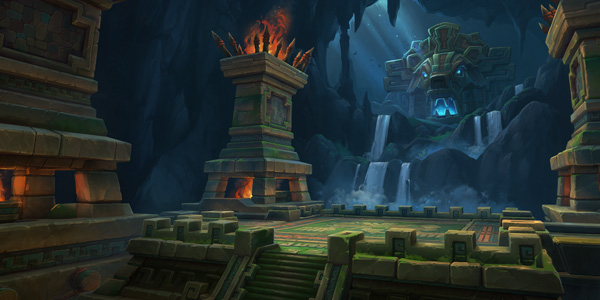
Den of NalorakkHighest key +191,739 runs indexed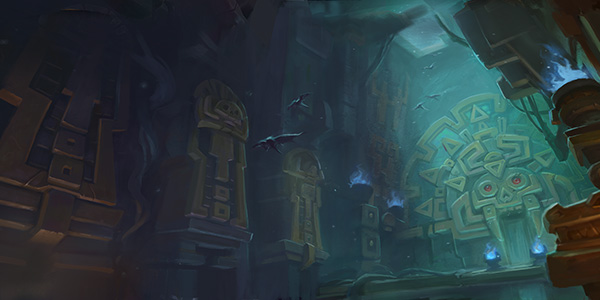 Kings' RestHighest key +191,718 runs indexed
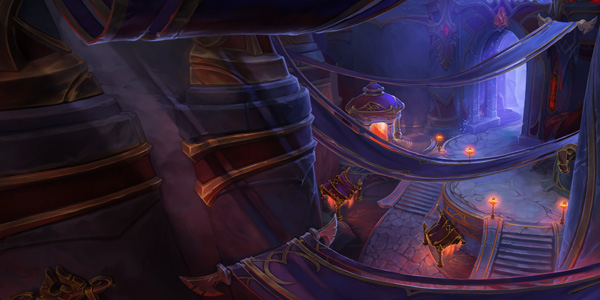 Murder RowHighest key +181,767 runs indexed
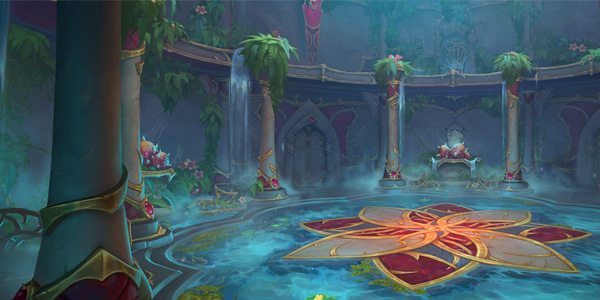 Ruby Life PoolsHighest key +191,757 runs indexed
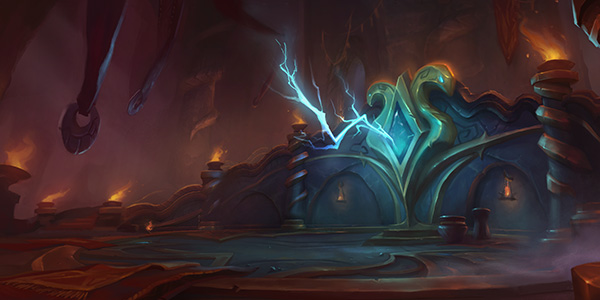 Temple of SethralissHighest key +191,733 runs indexed
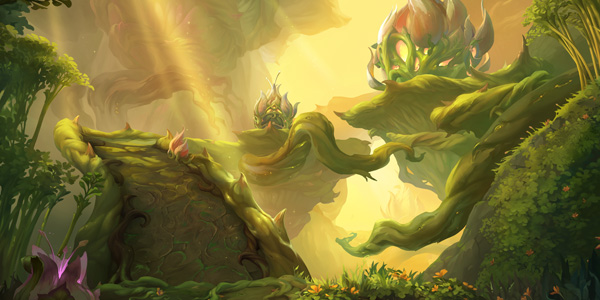 The Blinding ValeHighest key +181,709 runs indexed
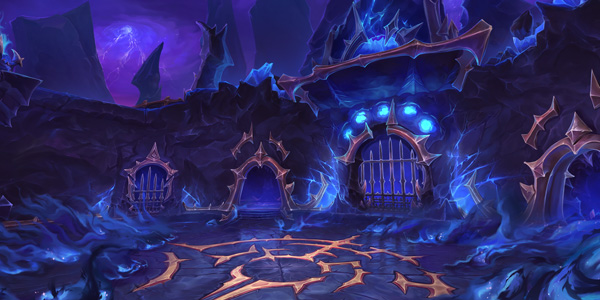 Voidscar ArenaHighest key +191,727 runs indexed
Mythic+ ladder by class
Each crest filters the rating ladder to that class.


Explore the rest of the database


PvE Endgame: Raids, Bosses, and Mythic+ in World of Warcraft
PvE (Player versus Environment) endgame in World of Warcraft centers on challenging group encounters against the game's hardest bosses. Whether you're running a raid with 10 to 20 other players or pushing your Mythic+ key against a timer, PvE content asks you to learn boss mechanics, coordinate with teammates, gear up properly, and execute mechanics under pressure. This guide walks you through how raids and dungeons work, how their difficulty tiers differ, what you need to know about boss encounters, and how to prepare for your first raid.
What Is Raid PvE?
Raiding is the pinnacle endgame activity in WoW. A raid is a group encounter where multiple players (typically between 10 and 40, depending on the version) face off against one or more bosses in a controlled environment. Unlike dungeons, which are designed for 5 players with a set path and a few encounters, raids are sprawling instances with multiple bosses, elaborate mechanics, and loot tailored for endgame progression. Raid content spans entire zones or self-contained instances and often includes dozens of encounters, from small groups of adds to massive single-target bosses.
Raids are about coordination. Every player has a specific job: some tank (hold boss aggro and absorb damage), some heal (keep the group alive), and others deal damage from range or melee. Boss mechanics require the group to respond in unison. A boss might spawn adds that need to be killed quickly, or create dangerous zones that players must avoid, or apply a debuff that forces players to move to a safe location. If enough people fail the mechanic, the group wipes (everyone dies) and the boss resets. Successful raiders practice their role repeatedly so that execution becomes second nature. A tank needs to know exactly when to move the boss, a healer needs to predict damage spikes before they happen, and DPS need to balance raw damage output with awareness of their surroundings.
Raiding exists in every version of WoW, but the versions differ significantly in how they work. Understanding these differences matters if you play Classic Era (the new Classic-based version in beta), Burning Crusade Classic, Wrath of the Lich King Classic, or retail World of Warcraft. Each version emphasizes different aspects of the raid experience, from the logistical challenges of herding 40 players in vanilla to the mechanical precision demanded by modern retail Mythic raids.
The raid experience is social, technical, and competitive all at once. You're learning complex choreography with other humans, managing resources and cooldowns under pressure, and pushing to complete encounters faster and more efficiently than other teams are doing. This combination of social engagement and mechanical challenge is why raiding has remained central to WoW for two decades.
Raid Sizes and History
Raid sizes have changed dramatically over WoW's history, reflecting both game design philosophy and technological constraints.
In vanilla World of Warcraft, raids were massive. Guilds fielded 40-player raids, sometimes divided into two groups of 20 to tackle different encounters. This size meant chaos was common: organizing 40 people across voice chat, managing invites, and ensuring everyone had enough mana or threat was an immense logistical challenge. The game's early raid content was designed for this scale. Check the classic page for details on legacy raid content. Raiding required serious commitment and extensive guild infrastructure. Guild leaders needed to recruit dozens of players, maintain a roster with enough depth to handle absences, and manage complex loot systems to keep everyone motivated. The social bonds formed in vanilla 40-player raids became legendary within the community.
The Burning Crusade introduced smaller raid tiers. 25-player raids became the most common size, with optional 10-player encounters available later in the expansion. For details on Burning Crusade content, see the tbc page. This made raiding more accessible: fewer players needed to coordinate, and small guilds could field a viable team. The shift was controversial but ultimately proved successful. Guilds discovered that 25 players was the sweet spot for coordination difficulty: large enough to field multiple groups of specialists, small enough that leaders could know each player personally and manage the social dynamics effectively.
Wrath of the Lich King solidified two concurrent raid sizes: 10-player and 25-player. Both existed side by side, offering the same bosses and encounters but balanced for different group sizes. The wotlk page has more information on Wrath-era content. This meant a player could choose their preferred group size without sacrificing progression. The trade-off was that guild rosters ballooned: managing 10 and 25-player teams required flexibility, bench rotations, and communication to keep players engaged even when they weren't part of the week's primary group.
In retail World of Warcraft (from Cataclysm onward), the game embraced flexible raiding. Normal, Heroic, and Raid Finder raids support flexible sizes between 10 and 30 players, with the difficulty automatically scaling based on group size. Mythic raids are fixed at 20 players. Visit the mists section to explore post-Wrath expansions. This means a guild of 12 players and a guild of 25 players can run flexible difficulty raids with the game adjusting boss health and damage accordingly. No longer do you need to bench players or field two separate groups; everyone can join together. The system calculates raid composition (how many tanks, healers, and DPS) and adjusts encounter tuning on the fly. This change democratized raiding by removing the pressure to maintain specific roster sizes for most raid tiers.
Raid Difficulties in Retail
Modern retail raids offer four difficulty tiers, each with its own challenges and rewards. Understanding these tiers is crucial for setting expectations and finding a group that matches your skill level.
Raid Finder is the easiest difficulty. It's designed so that players with minimal experience or poor gear can experience the story and get basic loot. The mechanics are simplified or entirely removed, and the game is tuned so that even with mistakes, the group can usually push through. Raid Finder fills via an automated matchmaking system, so you'll encounter random players from across the region. It's the entry point to raiding and the way many players see raid content for the first time. Items from Raid Finder can be used to gear up alts or build transmog sets; check the item database for appearance and stat details.
Normal difficulty is where serious raiding begins. Bosses hit harder, have more health, and their mechanics actually matter. You can't just ignore the fight and tunnel vision on damage; you need to move out of fire, interrupt key abilities, and coordinate with other players. Normal raids are typically puggable (joinable through group finder), though forming a consistent group and using voice chat makes progression smoother.
Heroic is a significant step up. Mechanics become more punishing, and there's less room for error. New mechanics appear on Heroic that weren't on Normal, and boss timers tighten so that sustained damage and efficient play matter. Heroic raids typically require a guild or a consistent group that can progress together over multiple weeks, and most guilds use voice communication to call out mechanics and coordinate responses.
Mythic is the hardest difficulty and is meant only for the best-prepared guilds. Bosses have even more mechanics, tighter DPS checks, and sometimes entirely new phases. Some Mythic bosses have legendary-level encounters with design that rivals the most complex strategy games. Mythic raiding typically requires weeks or months of attempts, highly organized guilds, and players who have perfected their rotations and positioning. Only a small percentage of the WoW player base ever kills a current Mythic boss.
In terms of loot, each difficulty drops better gear than the one below it. Raid Finder gives baseline endgame gear, Normal gives better gear, and so on up to Mythic, which provides the absolute best raid drops. This creates a natural progression path: new players can start in Raid Finder and work their way up as their gear and skill improve.
Understanding Boss Encounters
A boss encounter isn't just a big enemy with a health bar. Boss fights are choreographed dances where the boss follows a script, applying debuffs and abilities that players must react to. Learning to recognize and react to mechanics is the core skill of raiding. Each encounter is designed so that failure is punishing but learning is possible; the game gives you warnings and visual cues before mechanics land so you have time to react.
Most raid bosses have phases. A phase is a distinct portion of the fight where the boss behaves differently. Phase one might involve the boss attacking the tank while the group burns its health. At 75% health, phase two begins: the boss stops attacking, summons adds, and demands the group's attention shift to killing those adds before returning to the boss. At 50% health, phase three introduces a new mechanic, like a room-wide debuff or a targeted attack on random players. You can look up specific spells and effects on boss pages to understand what's coming. Understanding phases means knowing when to switch targets, when to move, and what to expect next. Phase transitions are often the most dangerous moments in a fight because the group is divided between finishing the last phase and preparing for the next one.
Tank swaps are a common mechanic. The boss applies a debuff to the current tank that stacks or increases damage taken. After a few stacks, a second tank takes over (the first tank moves away and stops attacking). The debuff falls off the first tank, and the tanks rotate. Tanks who fail to swap at the right time take so much damage they die. Check the races page to see which races are strongest for tanking roles. This requires communication and timing. Many raid teams assign specific tank swap numbers in advance ("swap at 5 stacks") so everyone knows the plan before the pull starts.
Positioning matters enormously. Some bosses create zones that deal damage if you stand in them. The group must spread out (stand away from each other) to ensure debuffs don't overlap, or stack (bunch up) if the mechanics demands it. Melee players are usually glued to the boss, but ranged players have mobility and must position themselves to avoid mechanics while staying in range to attack. Poor positioning can cause unintended damage or spread dangerous debuffs to players who should have been safe, leading to a cascade of deaths.
Interrupts are a key defensive tool. Some boss abilities can be interrupted (canceled by an interrupt ability). If your group fails to interrupt, the boss casts a powerful spell that might kill someone. Interrupt rotations are planned in advance so every interruptible ability gets interrupted. Most raids assign specific players to interrupt duty on key abilities, ensuring that nothing falls through the cracks. Your professions and enchants can also help optimize your survivability during these critical phases.
Crowd control (CC) and stuns are sometimes used to lock down adds or create breathing room during intense phases. Not all bosses have CC-able mechanics, but when they do, using CC efficiently can turn a losing fight into a winning one.
Enrages are a universal hard timer. Every boss has an enrage: after a set amount of time, the boss enrages, attacking faster, hitting harder, and often becoming unkillable. If the group hasn't killed the boss by then, it wipes. This means DPS (damage dealers) can't just mash buttons slowly; they need to deal enough damage to kill the boss before enrage, forcing optimization and skill. Meeting DPS checks becomes a primary focus during progression, as improving damage output is often the path to finally getting that kill.
Loot Systems and Gearing
Raid loot is the reason most players raid. Bosses drop gear that is better than what can be found anywhere else in the game. In retail, this gear has item levels that correlate directly to difficulty: Raid Finder drops lower item level gear, Normal drops higher, Heroic higher still, and Mythic the highest. Search the item database to find which raids drop specific gear you need.
Most raids use one of a few loot systems. The default in retail is Personal Loot, where the game randomly assigns drops to individuals based on their class and need. A hunter might get a bow, a priest gets a cloak. This avoids the politics of loot councils but sometimes feels unfair when someone gets an upgrade they don't need.
Some guilds use Loot Council, where a small group (usually officers) decides who gets each drop based on what they need for their role and spec. This is more efficient and feels fairer over time, but requires trust in the leadership.
Raid ID and lockouts ensure that a group progresses together. When you kill a boss, your character is "locked in" to that boss. You can't kill it again that week (the week resets at a set time, typically early in the morning on Wednesday or Thursday depending on region). This prevents players from farming the same boss repeatedly; instead, progression is gated by weekly resets. If a different player joins your raid next week, they might not be locked, so they can experience those bosses fresh.
Raid Lockouts and Resets
Understanding lockouts is critical for planning your raid week. A raid lockout ties your character to a specific boss and a specific raid instance for a period of time, usually one week.
When you defeat a boss, your character is locked to that boss in that raid until the weekly reset. If you return to the same raid, the boss will still be dead for you. However, you can join another group for the same raid at the same reset point. If they haven't killed the first two bosses, you'll be locked to those bosses after you kill them with that group. If they've killed the first five bosses and you haven't, you can kill bosses 6+ without adding a new lock (you're already locked to 1-5).
This system allows for multiple raid attempts per week but keeps the economy balanced. You can't just kill the same boss five times for five chances at loot.
Some guilds use "split runs" where they run the raid twice with different rosters to help more players gear up. Player A is in split one, which kills bosses 1-7. Player B is in split two, which kills the same bosses 1-7. Both get locked to the same bosses, but both get loot from the kill.
Attunements and Entry Requirements
Attunements are prerequisites to enter certain raids or dungeons. In Classic and earlier retail expansions, attunements were common. A player had to complete a quest line or meet specific requirements before they could even enter the raid. Check the quests database to find attunement quest chains for specific raids.
For example, you might need to complete a dungeon quest line before entering a raid. This encourages players to progress through content in order and ensures that everyone in a raid has similar gear and experience.
In modern retail, attunements are rare. The game trusts that players will gear up appropriately before attempting harder content. If you show up to Heroic raid in Raid Finder gear, you'll probably die and hold your group back, but the game won't stop you from trying.
In Mythic+ dungeons, there are soft attunements: you need a Mythic Keystone to enter a Mythic+ dungeon, and keystones require having completed dungeons at that level before. This prevents players from jumping straight to the hardest dungeons.
Mythic+ as Dungeon Endgame
Mythic+ is the endgame iteration of 5-player dungeons. It's a parallel progression system to raiding: instead of coordinating 10-30 players, you coordinate 5. Instead of a large raid instance, you tackle a dungeon with mechanics optimized for small groups.
A Mythic Keystone is an item dropped from Mythic+ dungeons that sets the difficulty level for your next run. If your key is "+2", the next dungeon you run will be +2 difficulty. If you complete it in time (all trash and bosses cleared before the timer expires), the keystone upgrades to +3 and you're ready for a harder run. If you fail, the keystone downgrades. The leaderboards track the fastest times and highest keys pushed each season.
This creates an endless ladder of difficulty. There is no hard cap on how high you can push your key, but the time requirements, trash damage, and boss mechanics become increasingly punishing at higher levels. Mid-tier keys are moderately challenging, while extreme levels are the domain of the best players in the world.
Mythic+ offers several advantages over raiding. First, you don't need to coordinate with a large guild or static group. You can form a group with friends or through the group finder. Second, there's no weekly lockout; you can run dungeons as many times as you want. Third, progression is straightforward: you push your key as high as you can, and your Mythic+ rating reflects how well you're doing. The rating system rewards both how high you push and how consistently you time keys across multiple dungeons.
Most guilds and competitive players run Mythic+ alongside raiding. It's an excellent way to gear up for raiding and to perfect your class mechanics outside the pressure of a 20-player raid environment.
Preparing for Your First Raid
If you're new to raiding, preparation makes the difference between a smooth experience and a frustrating one. Experienced raiders know that an unprepared new player slows the entire raid down, so investing time in learning upfront actually helps your group complete the encounter faster.
Start with Raid Finder. It's easy, you'll learn the layout, and you'll see what raid encounters look like. Watch for mechanics even if they're simplified; you're learning patterns. Raid Finder is designed as a teaching tool, so don't feel embarrassed about dying or making mistakes; that's literally what it's for. Use these runs to familiarize yourself with boss abilities and get comfortable with coordinating in a raid group.
Research the bosses before you go. Watch a short guide video or read a summary on the guides page here. You don't need to memorize every mechanic, but knowing "the boss has an add phase at 50%" or "you need to spread out for this debuff" means you won't be blindsided. A five-minute guide video watching a Heroic kill will teach you vastly more than showing up completely blind.
Gear matters less than people think, but it matters. If you're attempting Normal raid and everyone else has heroic-quality gear from dungeons, your Raid Finder gear won't hold you back much. But showing up massively undergeared (like fresh dungeon gear to a Heroic raid) puts stress on the healers and tanks. A good benchmark is to have gear from the tier below the one you're attempting. Raid Finder gear for Normal raids, Normal gear for Heroic, Heroic gear for Mythic. This isn't a hard rule, but it's a useful guideline.
Get into voice chat if possible. Even if you're not calling out mechanics, hearing the raid lead explain what's happening makes everything clearer. Many guilds have Discord servers with a raid channel. The raid leader will call out major mechanics and coordinate tank swaps or positioning changes. Being in voice means you hear these calls immediately instead of trying to parse written instructions in raid chat.
Know your role. If you're a tank, learn when to swap with the other tank and how to position the boss. If you're a healer, understand which players take the most damage and when to use your big cooldowns. If you're DPS, focus on your damage rotation first and mechanics second (your priority is not to die, but don't sacrifice DPS entirely by standing out of range to be super safe). Tanks and healers carry more responsibility in raids; DPS have more freedom to focus on raw damage output, but still must execute mechanics and follow the raid's calls. Each class and role plays differently, so study your role's mechanics carefully.
Check your addons. Many raiding guilds use addons like DBM or Bigwigs that provide timers and warnings for upcoming boss mechanics. Download these before your first raid and learn what the warnings mean. If you hear a loud alarm and see text pop up on screen, it's because a major mechanic is about to happen.
Use the database here to research gear and buffs. Check what item level gear drops from the raid you're planning to do. Look at the boss pages to see what abilities they have and what those abilities do. Cross-reference the classes page to understand what your class can do and what cooldowns you have available to handle mechanics. Read the hotfixes to stay informed about recent balance changes that affect your role.
Reading the PvE Database
This site indexes raids, dungeons, and their bosses. Each boss page lists their abilities, the loot they drop, and some data on how many players have defeated them. Here's how to use it effectively.
The Mythic+ leaderboards show the highest-rated characters pushing dungeons in the current season. A player's Mythic+ rating reflects how far they've pushed keys and how consistently they time them. You can browse per-dungeon leaderboards to see which dungeons are popular and which keystones have been pushed highest. These leaderboards are useful for benchmarking your own progress; if you're pushing a +15, you can see what the top players are running and how their ratings compare. You can click through to individual dungeon leaderboards to see the fastest times recorded in that specific dungeon, which is useful for pacing your own runs.
The dungeons page lists all available dungeons, both regular and Mythic+. From there, you can drill into individual dungeon pages to see all bosses and their loot tables. If you're gearing up and want to know which dungeons drop items you need, start here. Each dungeon page will list all bosses and their drops, letting you plan your farming route efficiently.
The boss pages list their abilities (what they cast and what those abilities do), the mechanics in play, and the drops. Not every ability is a "mechanic" you need to react to; some are simple attacks. The pages highlight which abilities are dangerous and which ones matter. Reading boss ability pages is a good way to familiarize yourself with a fight before you enter it. If you see an ability called "Laser Barrage" or "Poison Cloud," you know to expect damage from that ability and can prepare accordingly.
Boss loot tables show the gear that drops from that boss. If you're farming a specific item (like a weapon from a certain boss), you can look up which boss drops it and what difficulty you need to run. This is invaluable for planning gear acquisition. Some raid progression is gated by loot, so knowing which boss drops the item you need means you can prioritize your attempts.
The farming guides here suggest efficient farming routes if you're trying to gather materials or farm for specific items. Some boss kills are popular purely for their loot, and the guides help you optimize your time. If you're farming old raids for transmog appearances or building up wealth, the farming guides point you toward the most efficient routes. See the news section for recent updates on raid balance and loot changes.
The talent calculator (linked in the classes section) lets you experiment with talent builds before committing to them in-game. If you're speccing into a specific build for a raid, you can test it out here and see what cooldowns and abilities you'll have available. This helps you understand your role's capabilities before you step into combat.
Common Mistakes and Best Practices
New raiders often make the same mistakes. Avoid these and you'll be more valuable to your group.
Standing in fire is the #1 killer. If there's a circle of fire on the ground or a zone the boss is attacking, move out. It seems obvious, but new players often tunnel vision on dealing damage and forget to move. Always move first, then resume your damage rotation. Many achievements are tied to raid completion, so track your progress via the achievements pages.
Pulling aggro (attacking a target before the tank has established threat) as DPS early in a fight gets you killed. Wait for the tank to get a few hits in before you burn your cooldowns.
Forgetting buffs and potions wastes damage. Before a boss pull, make sure you're buffed with flasks or potions. Using a damage potion during the fight at the right moment can mean the difference between timing the boss and wiping to enrage.
Not communicating in voice chat makes your group worse. Even if you're not leading, saying "mechanics on me" or calling out important events helps the team coordinate.
Ignoring mechanics because you're a high-damage player gets everyone killed. DPS that leads in raw damage means nothing if you're dead half the fight. Execute mechanics, then maximize damage within those constraints.
What's the difference between raiding and Mythic+?
Raids are 10-30 player encounters with multiple bosses, fixed difficulty tiers, and weekly lockouts. Mythic+ is 5-player dungeon progression with an endless difficulty ladder and no lockout. Raids are about coordinating many players; Mythic+ is about small-group perfection.
Do I need a guild to raid?
No, but it helps. You can join raids through the Group Finder with random players, but having a consistent group and voice chat makes everything smoother. Guilds provide that consistency.
What item level gear do I need for Normal raids?
It varies by raid and expansion. In general, Normal raids are tuned for players with gear from dungeons and Raid Finder. If you have heroic dungeon gear or Raid Finder loot, you're ready. Check the database here for the specific raid you're planning.
Can I raid solo?
No. Raids require multiple players. The smallest raid is typically 10 players (in some versions), but even that needs coordination. Mythic+ dungeons can be done with a smaller group (5 players), but still requires a team.
How often can I raid the same boss?
Once per week per raid ID. After you kill a boss, you're locked to that boss for the week. The weekly reset allows you to attempt it again with a different group or to progress further into the raid.
What's the best class or spec for raiding?
It depends on the current patch and which bosses are being fought. Blizzard balances classes regularly. The best spec is one you enjoy playing and have optimized for your role. Check the leaderboards to see what top players are using, but don't feel locked into the meta if you prefer something else.
How long does a raid take?
A full run through a current raid tier takes several hours depending on your guild's progression and experience. Early attempts on new bosses can take longer as you learn mechanics. Subsequent weeks get faster as people understand the fight.
What's Raid Finder loot vs. Normal loot?
Raid Finder drops lower item level gear than Normal, Normal drops lower than Heroic, and Heroic drops lower than Mythic. Each tier also has slightly different appearances and perks. If you're just starting, Raid Finder gear is fine; as you progress, you upgrade to higher tiers.
Do I have to raid to progress in endgame?
No. Mythic+ provides a full endgame progression system, and you can reach very high gear levels purely through dungeons. Raiding is one path, not the only path.
How do I find a guild to raid with?
Check the realm forums, guild recruitment channels on Discord, or use the in-game guild finder. Look for guilds that match your schedule and goals. Some are hardcore (raiding multiple nights per week at high difficulty), others are casual (one or two nights per week, lower difficulty). Pick one that fits.
What's an enrage, and why does it matter?
An enrage is a timer that forces DPS to deal enough damage or the boss becomes unkillable. It prevents players from slowly grinding out a kill over 30 minutes. The enrage timer usually sits 5-15 minutes into a fight, depending on the boss. Meeting the DPS check is part of progression.
Can I practice raid mechanics outside of raids?
Yes. Mythic+ dungeons teach you awareness and mechanics in a smaller context. Practicing your rotation in dungeons and mastering your class before attempting raids makes the learning curve much easier. You can also watch guide videos and read boss guides before your first attempt.
Playing WoW Forever? Forever is Blizzard's Classic-based version and it is still in beta, so this guide does not make claims about how this system will work there. What the beta client actually contains is tracked on the WoW Forever hub, and anything you read about Forever before launch can change. Until it ships, the Classic Era notes in this guide are the closest reference for how a Classic ruleset treats this topic.