 TheWoWDB
World of Warcraft: Midnight
WoW Housing Decor
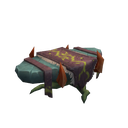
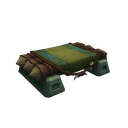
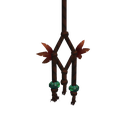
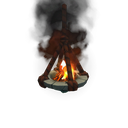
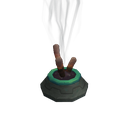
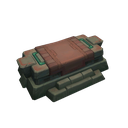
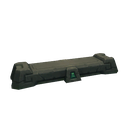
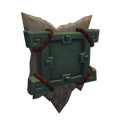
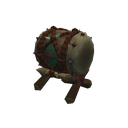
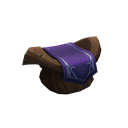
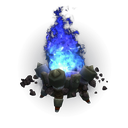
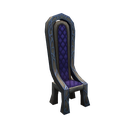
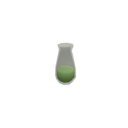
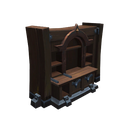
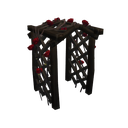
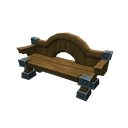
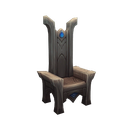
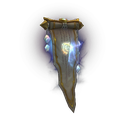
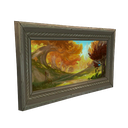
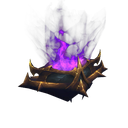
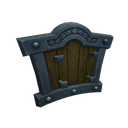
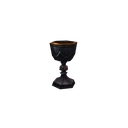
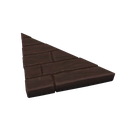
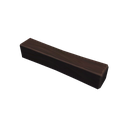
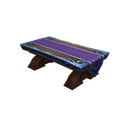
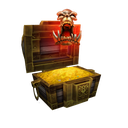
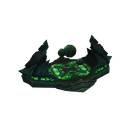
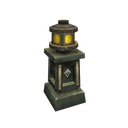
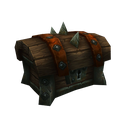
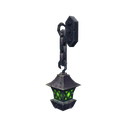
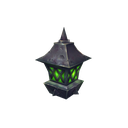
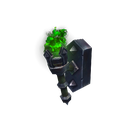
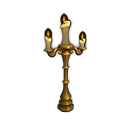
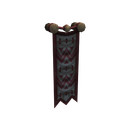
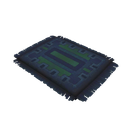
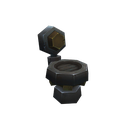
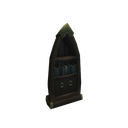
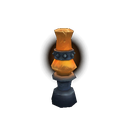
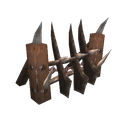
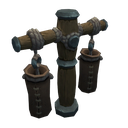
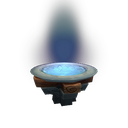
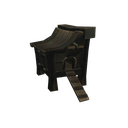
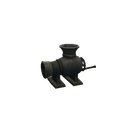
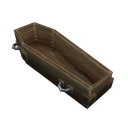
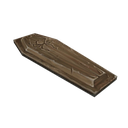
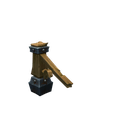
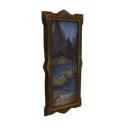
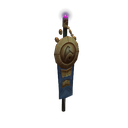
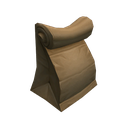
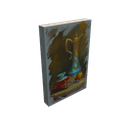
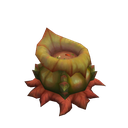
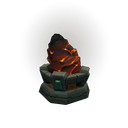
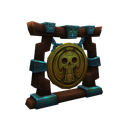
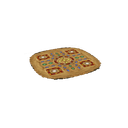
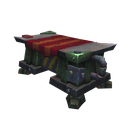
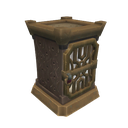
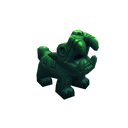
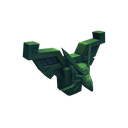
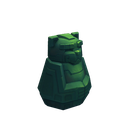
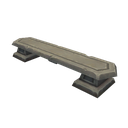
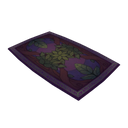
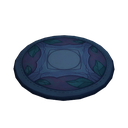
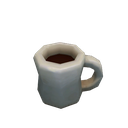
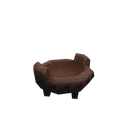
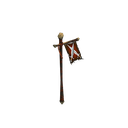
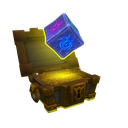
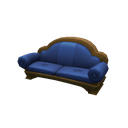
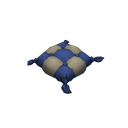
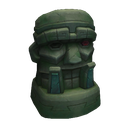
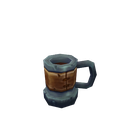
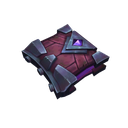
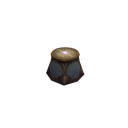
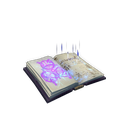
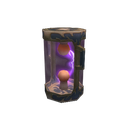
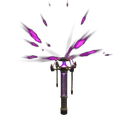
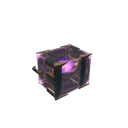
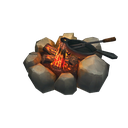
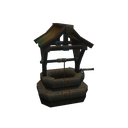
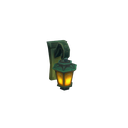
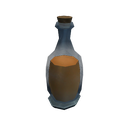
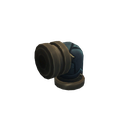
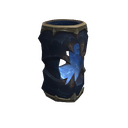
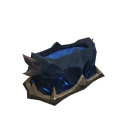
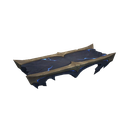
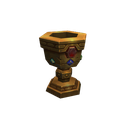
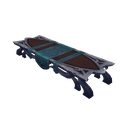
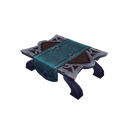
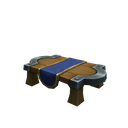
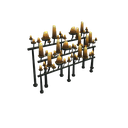
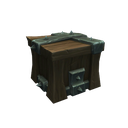
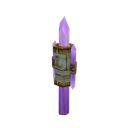
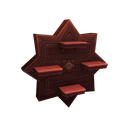
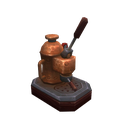
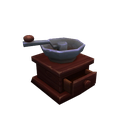
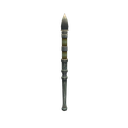
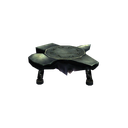
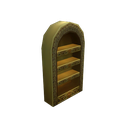
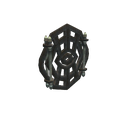
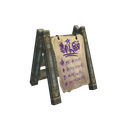
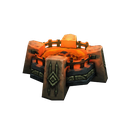
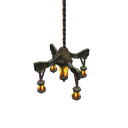
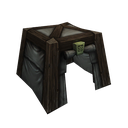
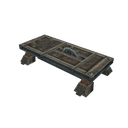
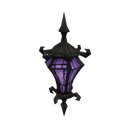
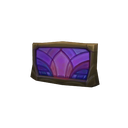
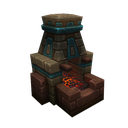
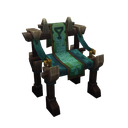
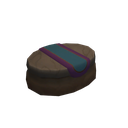
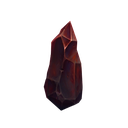
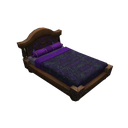
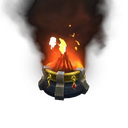
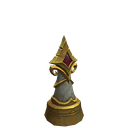
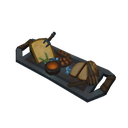
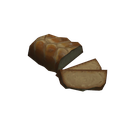
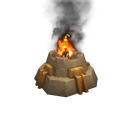
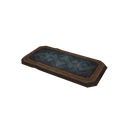
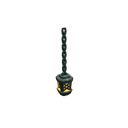
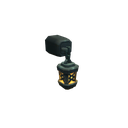
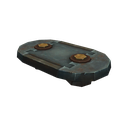
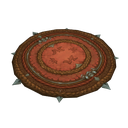
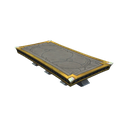
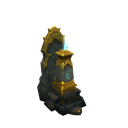
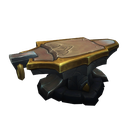
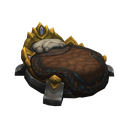
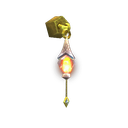
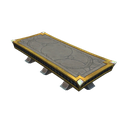
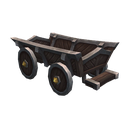
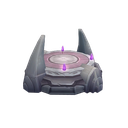
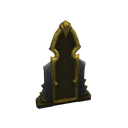
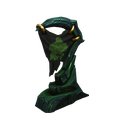
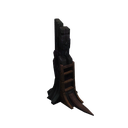
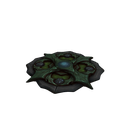
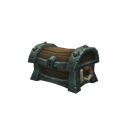
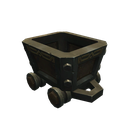
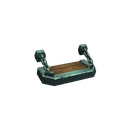
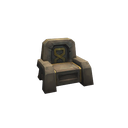
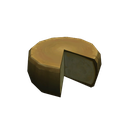
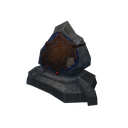
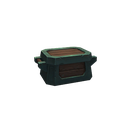
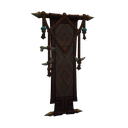
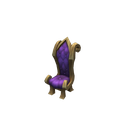
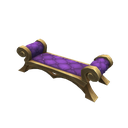
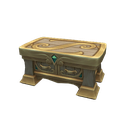
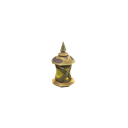
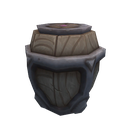
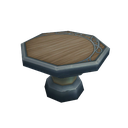
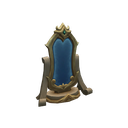
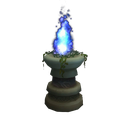
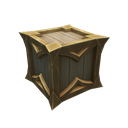
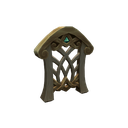
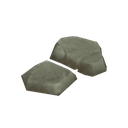
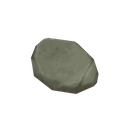
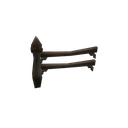
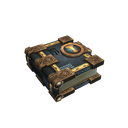
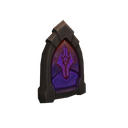
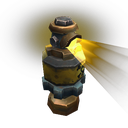
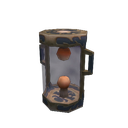
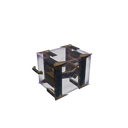
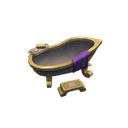
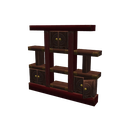
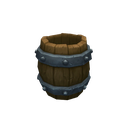
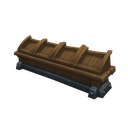
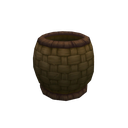
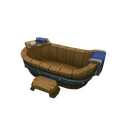
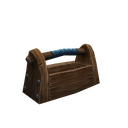
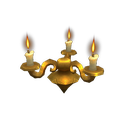
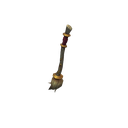
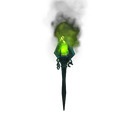
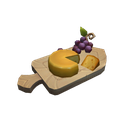
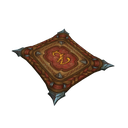
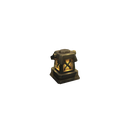
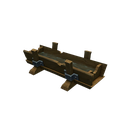
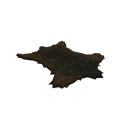
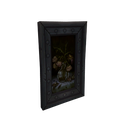
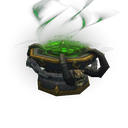
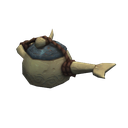
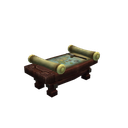
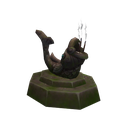
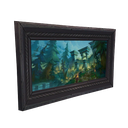
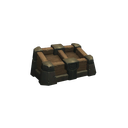
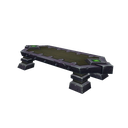
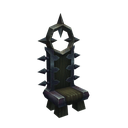
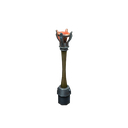
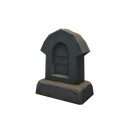
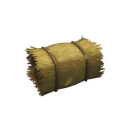
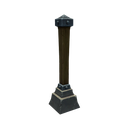
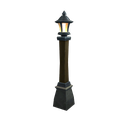
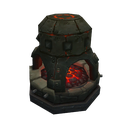
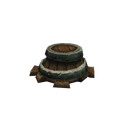
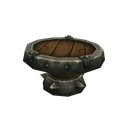
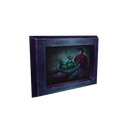
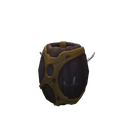
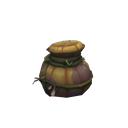
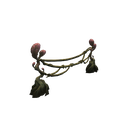
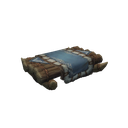
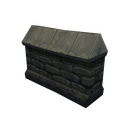
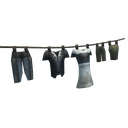
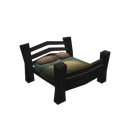
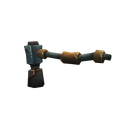
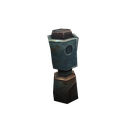
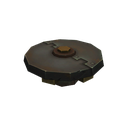
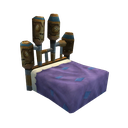
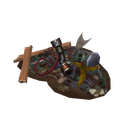
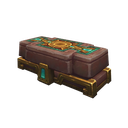
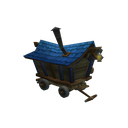
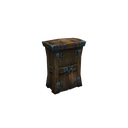
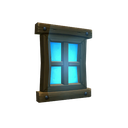
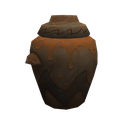
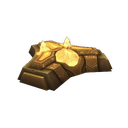
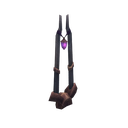
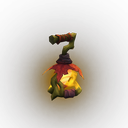
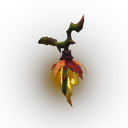
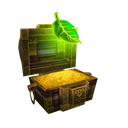
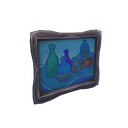
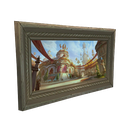
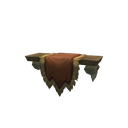
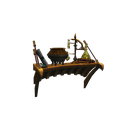
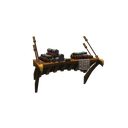
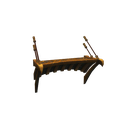
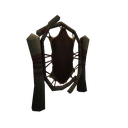
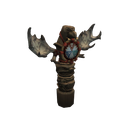
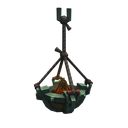
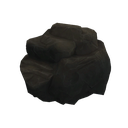
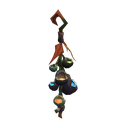
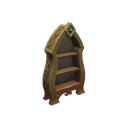
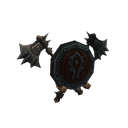
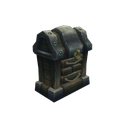
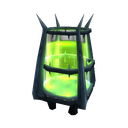
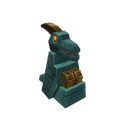
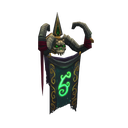
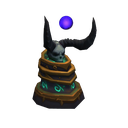
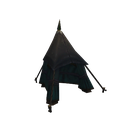
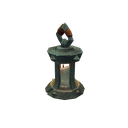
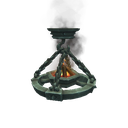
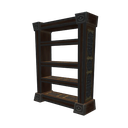
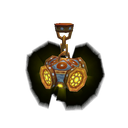
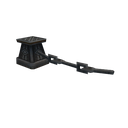
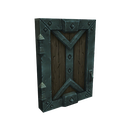
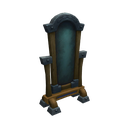
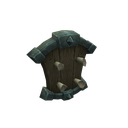
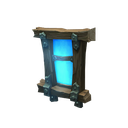
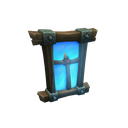
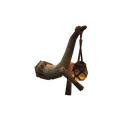
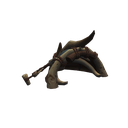
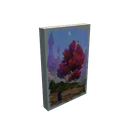
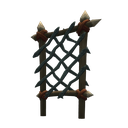
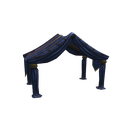
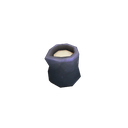
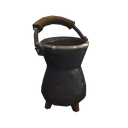
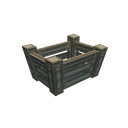
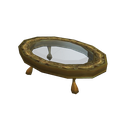
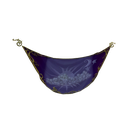
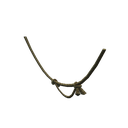
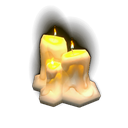
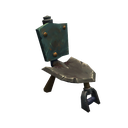
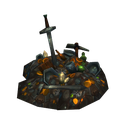
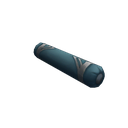
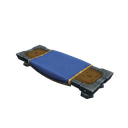
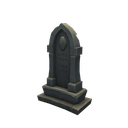
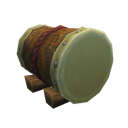
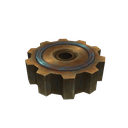
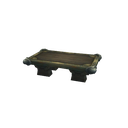
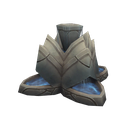
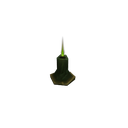
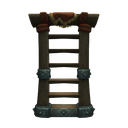
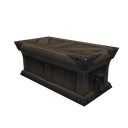
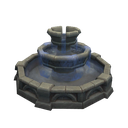
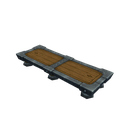
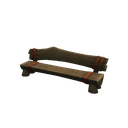
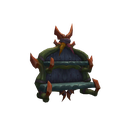
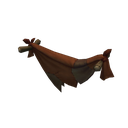
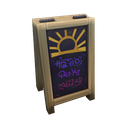
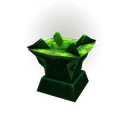
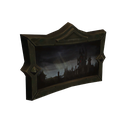
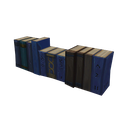
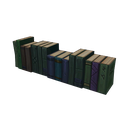
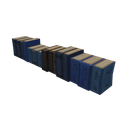
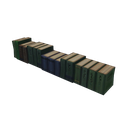
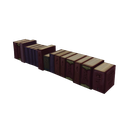
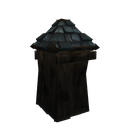
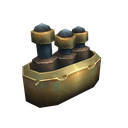
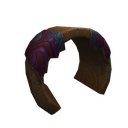
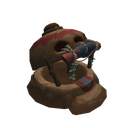
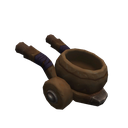
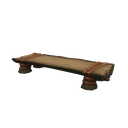
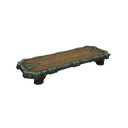
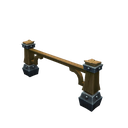
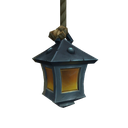
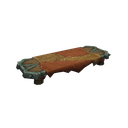
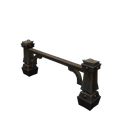
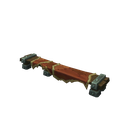
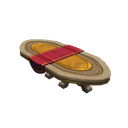
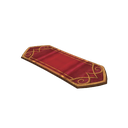
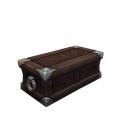
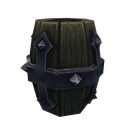
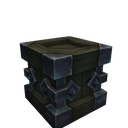
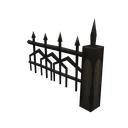
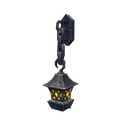
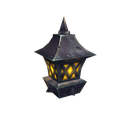
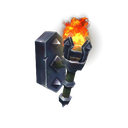
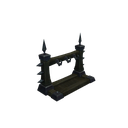
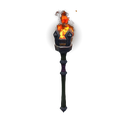
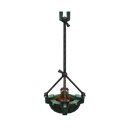
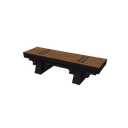
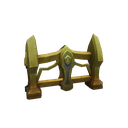
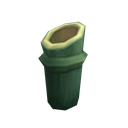
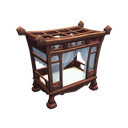
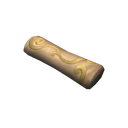
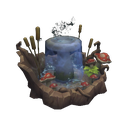
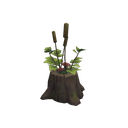
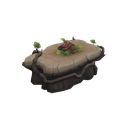
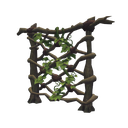
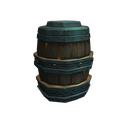
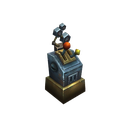
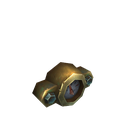
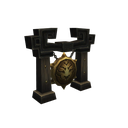
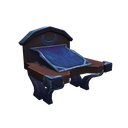
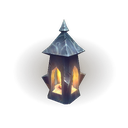
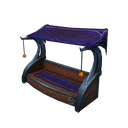
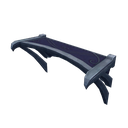
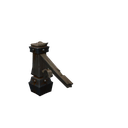
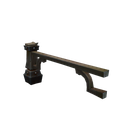
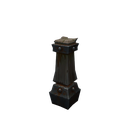
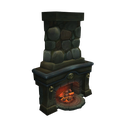
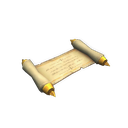
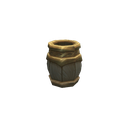
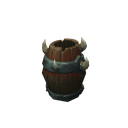
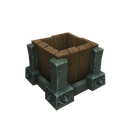
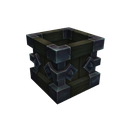
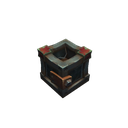
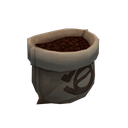
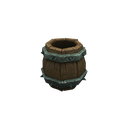
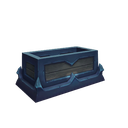
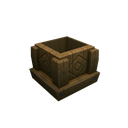
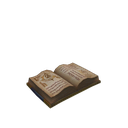
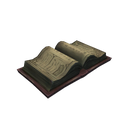
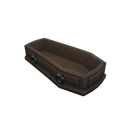
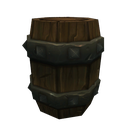
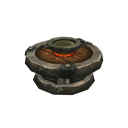
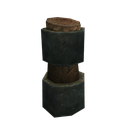
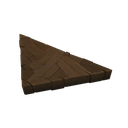
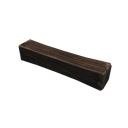
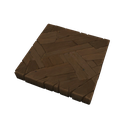
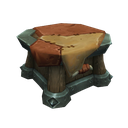
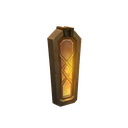
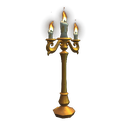
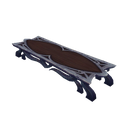
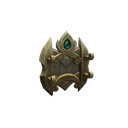
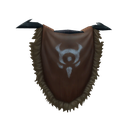
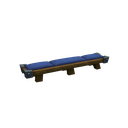
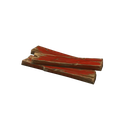
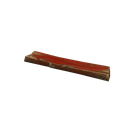
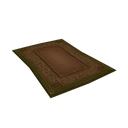
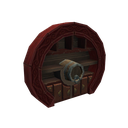
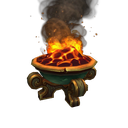
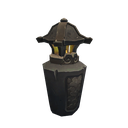
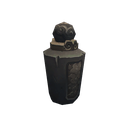
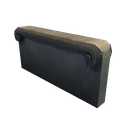
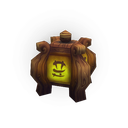
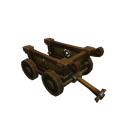
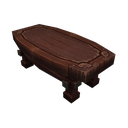
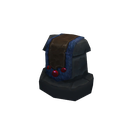
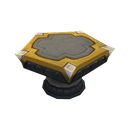
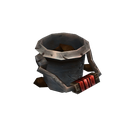
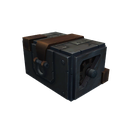
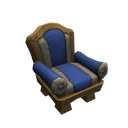
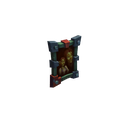
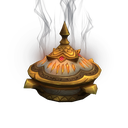
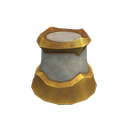
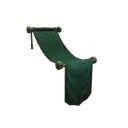
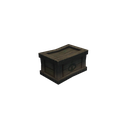
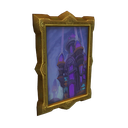
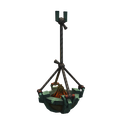
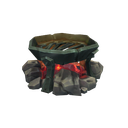
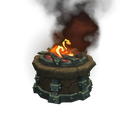
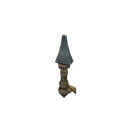
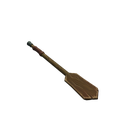
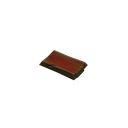
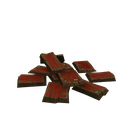
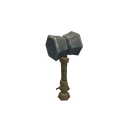
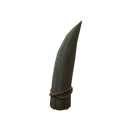
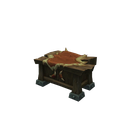
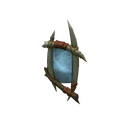
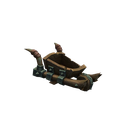
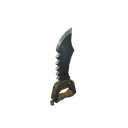
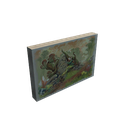
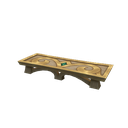
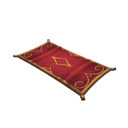
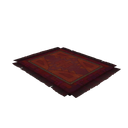
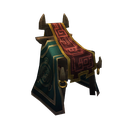
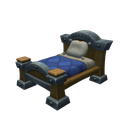
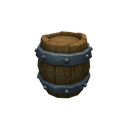
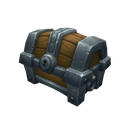
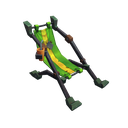
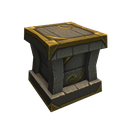
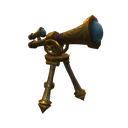
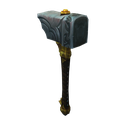
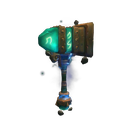
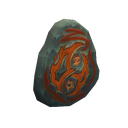
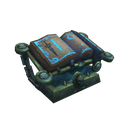
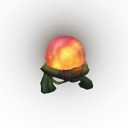
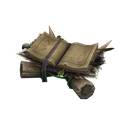
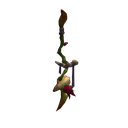
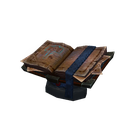
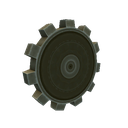
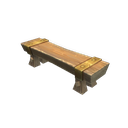
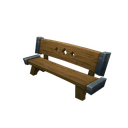
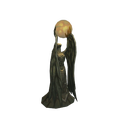
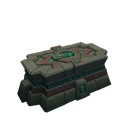
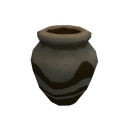
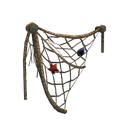
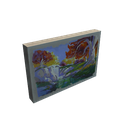
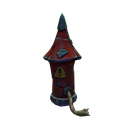
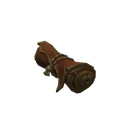
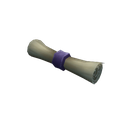
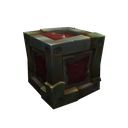
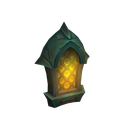
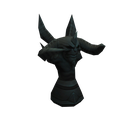
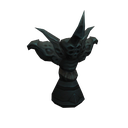
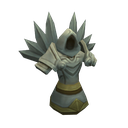
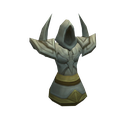
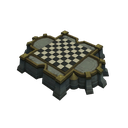
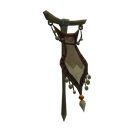
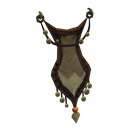
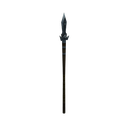
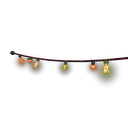
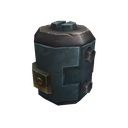
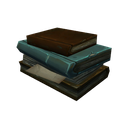
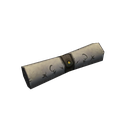
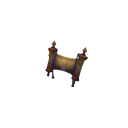
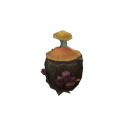
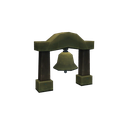
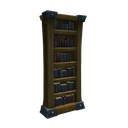
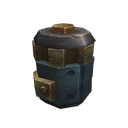
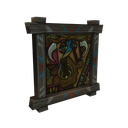
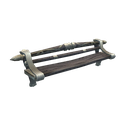
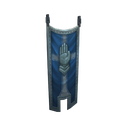
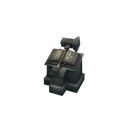
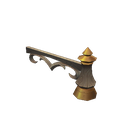
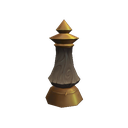
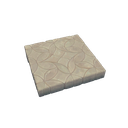
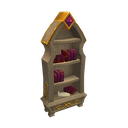
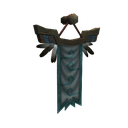
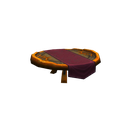
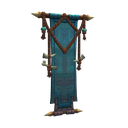
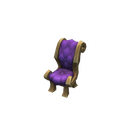
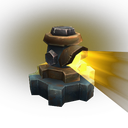
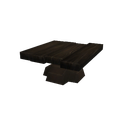
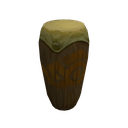
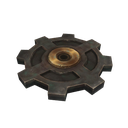
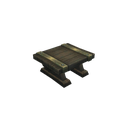
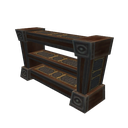
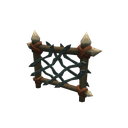
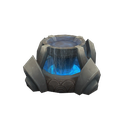
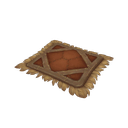
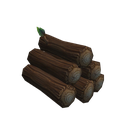
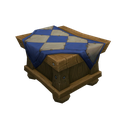
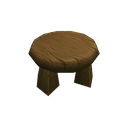
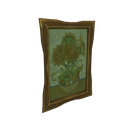
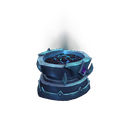
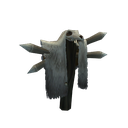
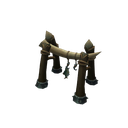
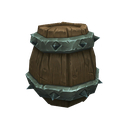
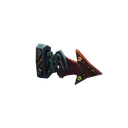
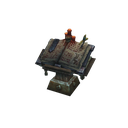
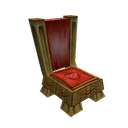
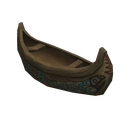
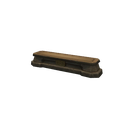
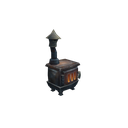
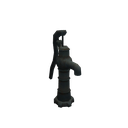
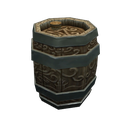
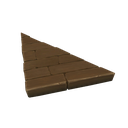
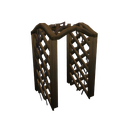
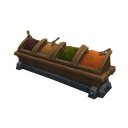
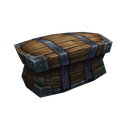
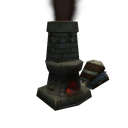
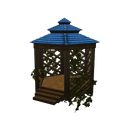
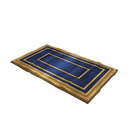
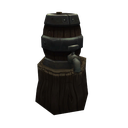
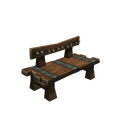
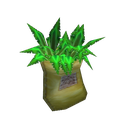
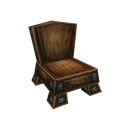
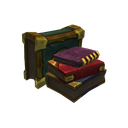
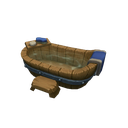
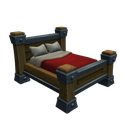
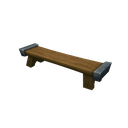
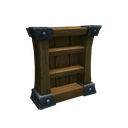
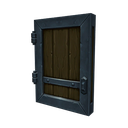
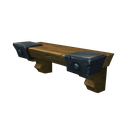
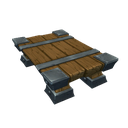
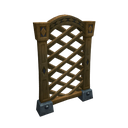
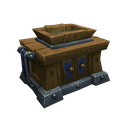
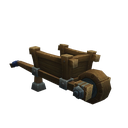
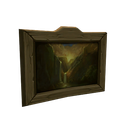
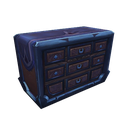
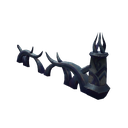
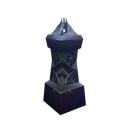
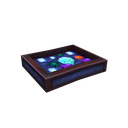
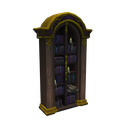
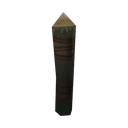
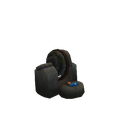
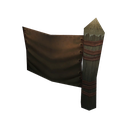
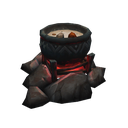
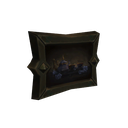
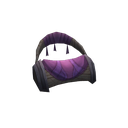
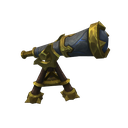
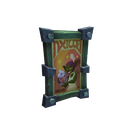
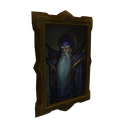
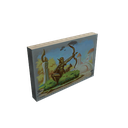
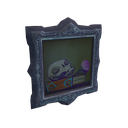
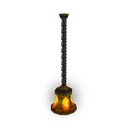
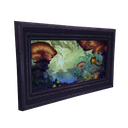
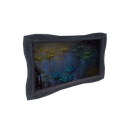
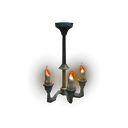
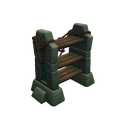
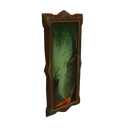
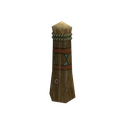
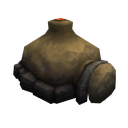
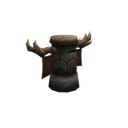
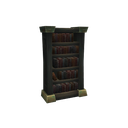
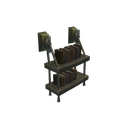
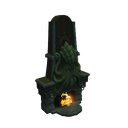
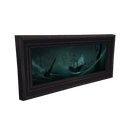
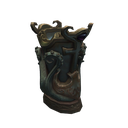
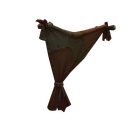
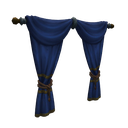
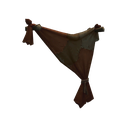
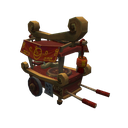
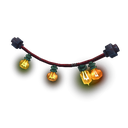
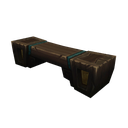
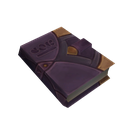
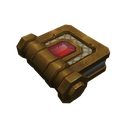
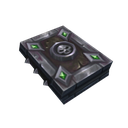
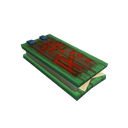
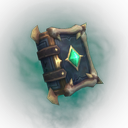
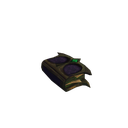
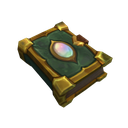
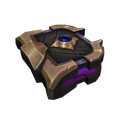
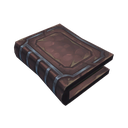
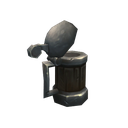
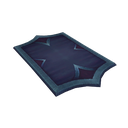
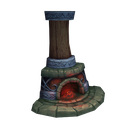
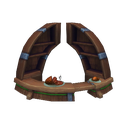
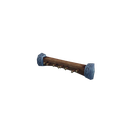
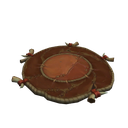
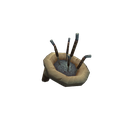
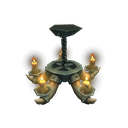
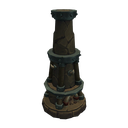
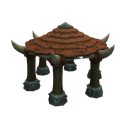
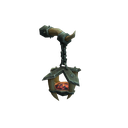
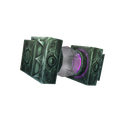
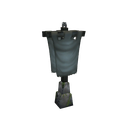
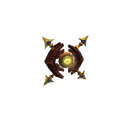
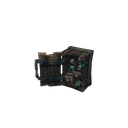
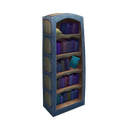
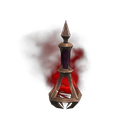
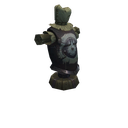
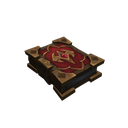
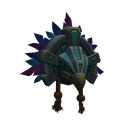
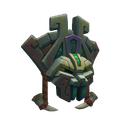
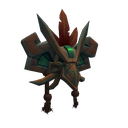
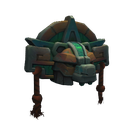
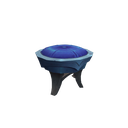
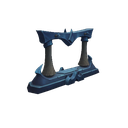
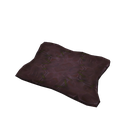
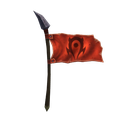
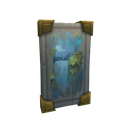
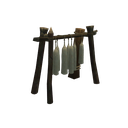
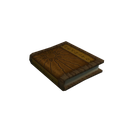
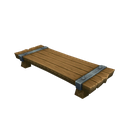
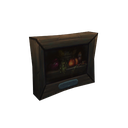
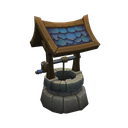
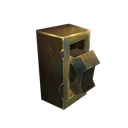
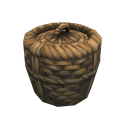
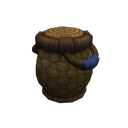
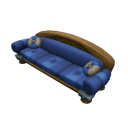
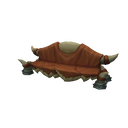
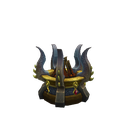
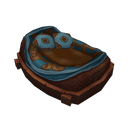
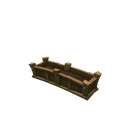
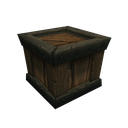
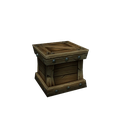
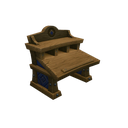
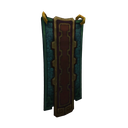
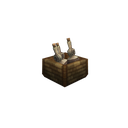
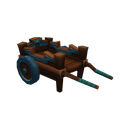
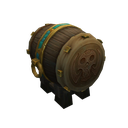
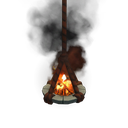
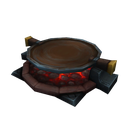
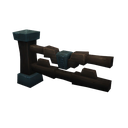
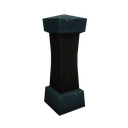
2,274 housing decor items datamined from the current Midnight game build, filed by category, 1,461 with an in-game render.
Open the Housing Planner Design your house in 3D with real decor models
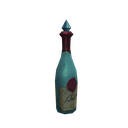

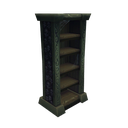
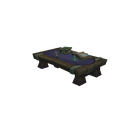
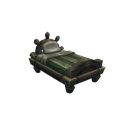
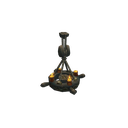
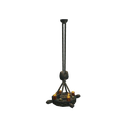

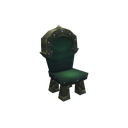

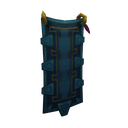
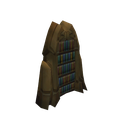
1,461 of 2,274 decor items have an in-game render extracted from the game files. Models and art © Blizzard Entertainment.
All Decor (2,274)
Datamined from the current Midnight game build. Pick a category on the left or search to narrow the grid.



















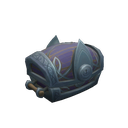


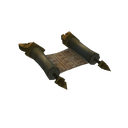


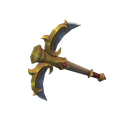

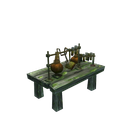







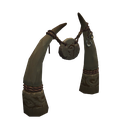
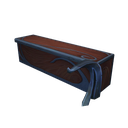
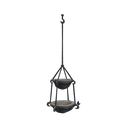

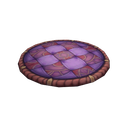
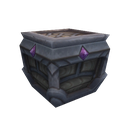

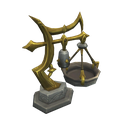
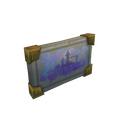

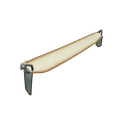









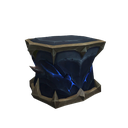
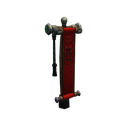
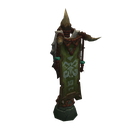



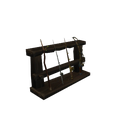





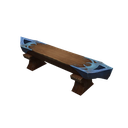





















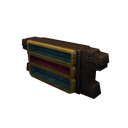
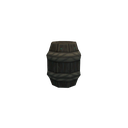
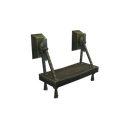
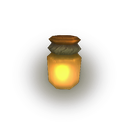





















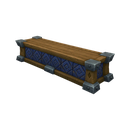
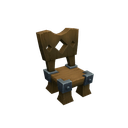
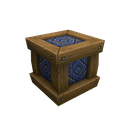


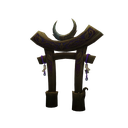







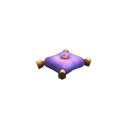


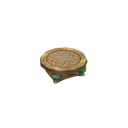
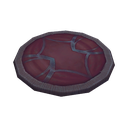

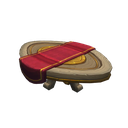
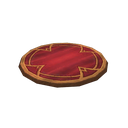

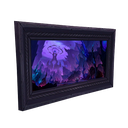
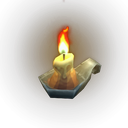
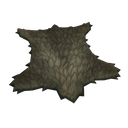
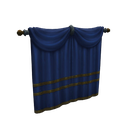
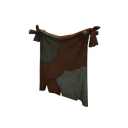


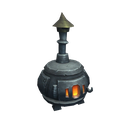

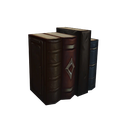
























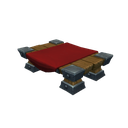

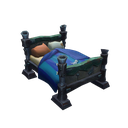






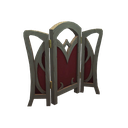
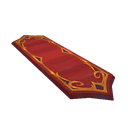



















































































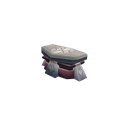







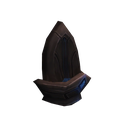

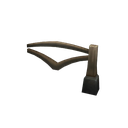
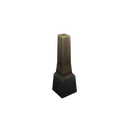


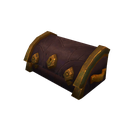
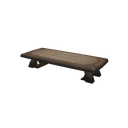
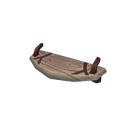
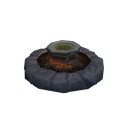






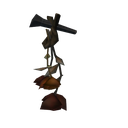
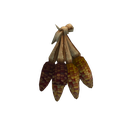
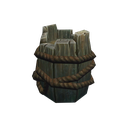
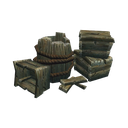
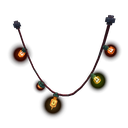




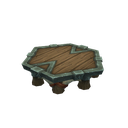












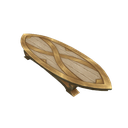
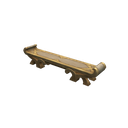
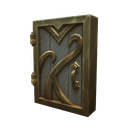

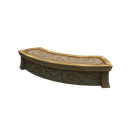

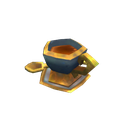
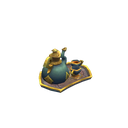
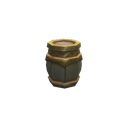


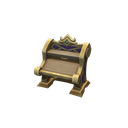









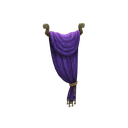
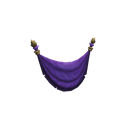
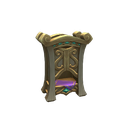
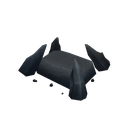








































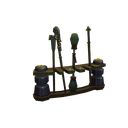
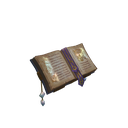







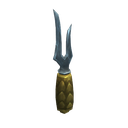





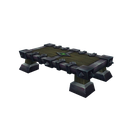

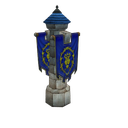





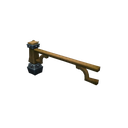
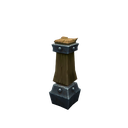







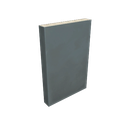
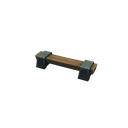

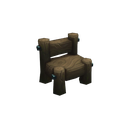
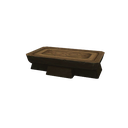














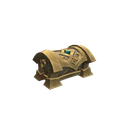
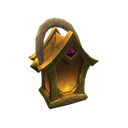


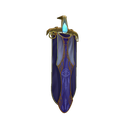
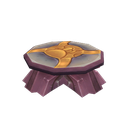




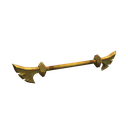



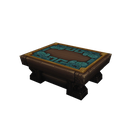
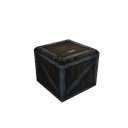
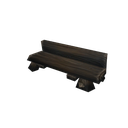
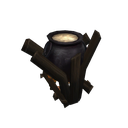
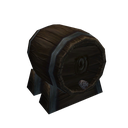


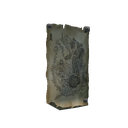
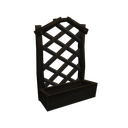

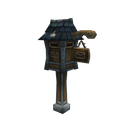
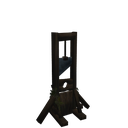
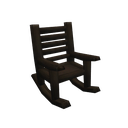

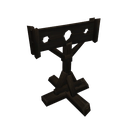
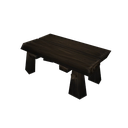
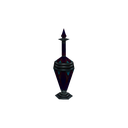

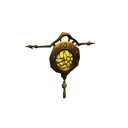


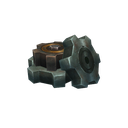










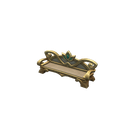
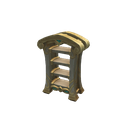
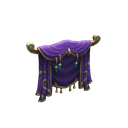


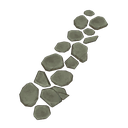
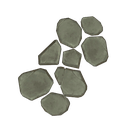
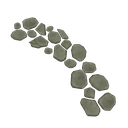
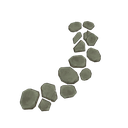
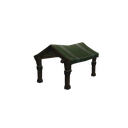

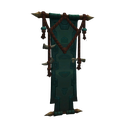


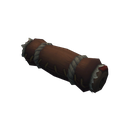

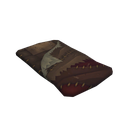





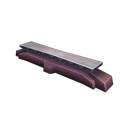







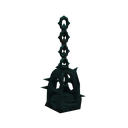


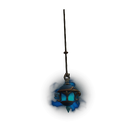

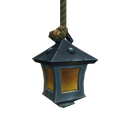

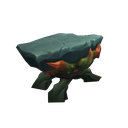













































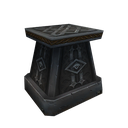
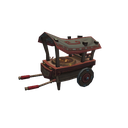
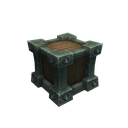
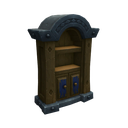










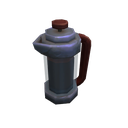

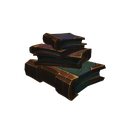
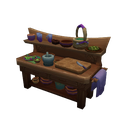
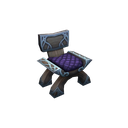
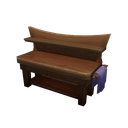


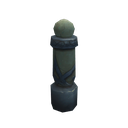

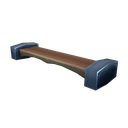
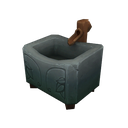
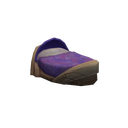

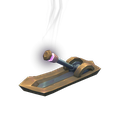


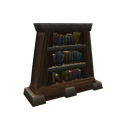
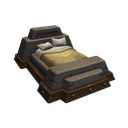














































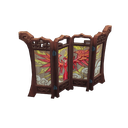

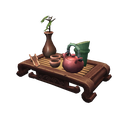












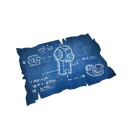
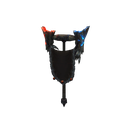
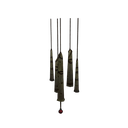


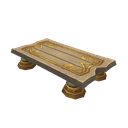
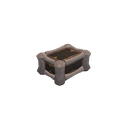



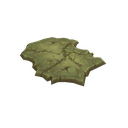



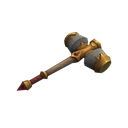

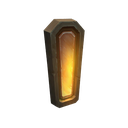






















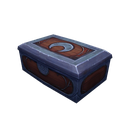

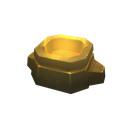
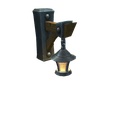



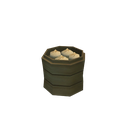
















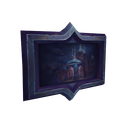


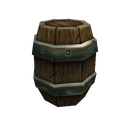
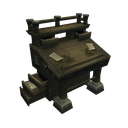

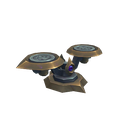








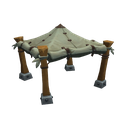
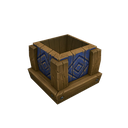
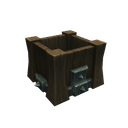
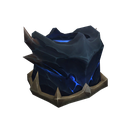










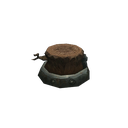
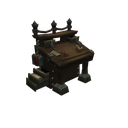
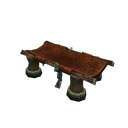

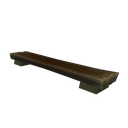





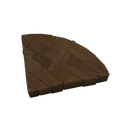
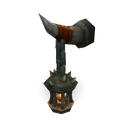
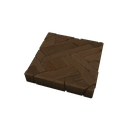

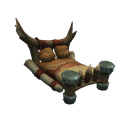














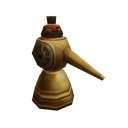

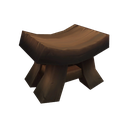

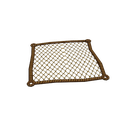
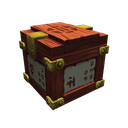



































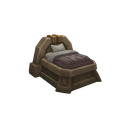

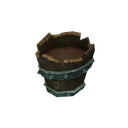
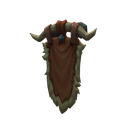
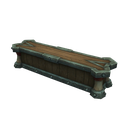






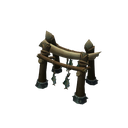





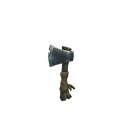


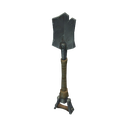
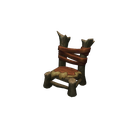















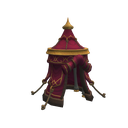



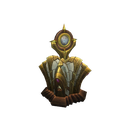
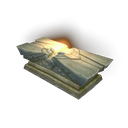

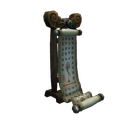



















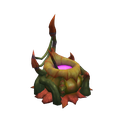



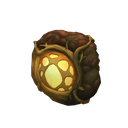

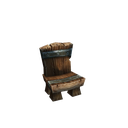
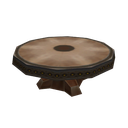

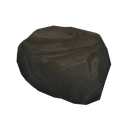


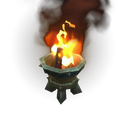

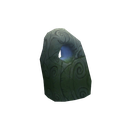



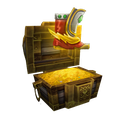

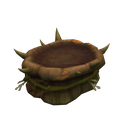
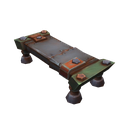
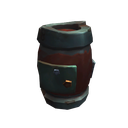













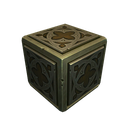
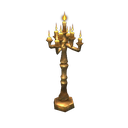

















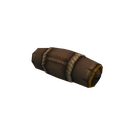



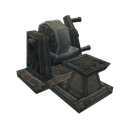
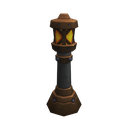
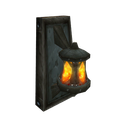
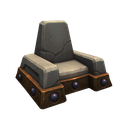
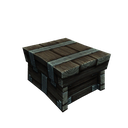


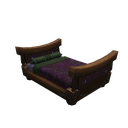

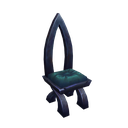

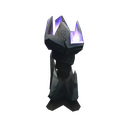

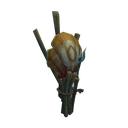


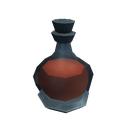





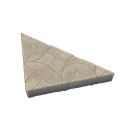
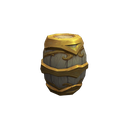
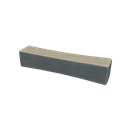
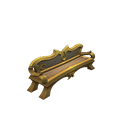










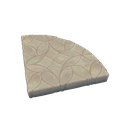

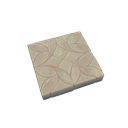




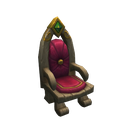

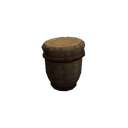

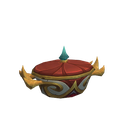


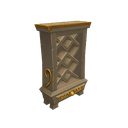







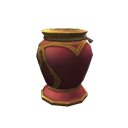





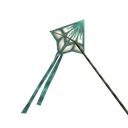


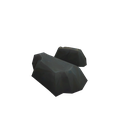

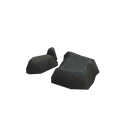


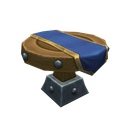


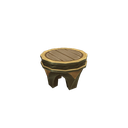





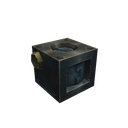
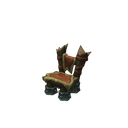



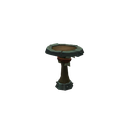

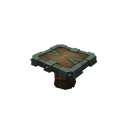

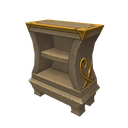

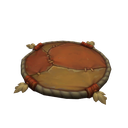
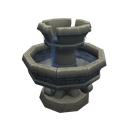

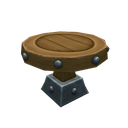
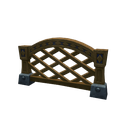
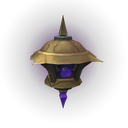

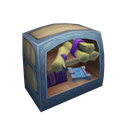


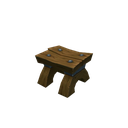


















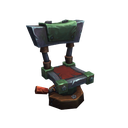

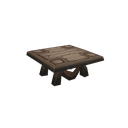
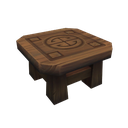
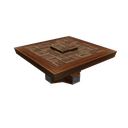
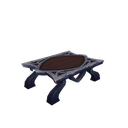
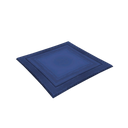


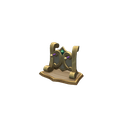

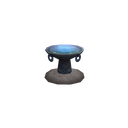





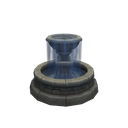
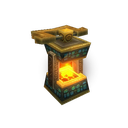
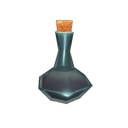
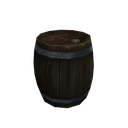




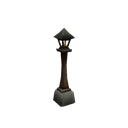
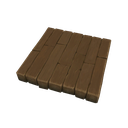
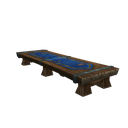


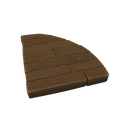
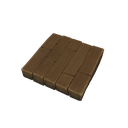
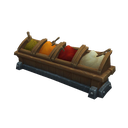


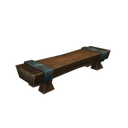
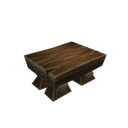



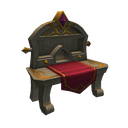
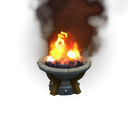


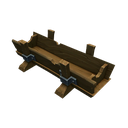


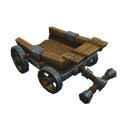

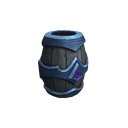

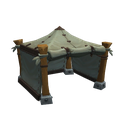


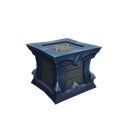
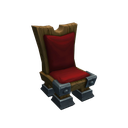
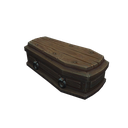
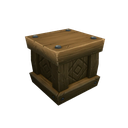
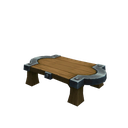








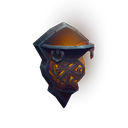
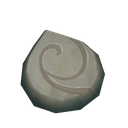

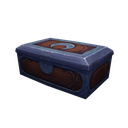
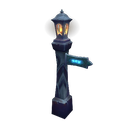
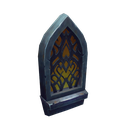
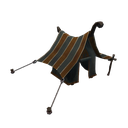


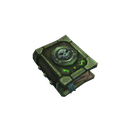

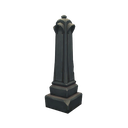


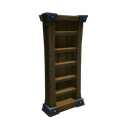
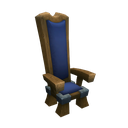



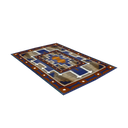


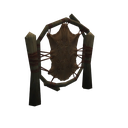
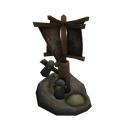
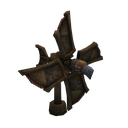




































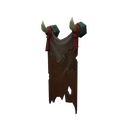
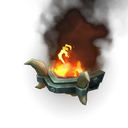
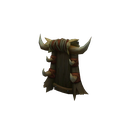
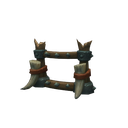







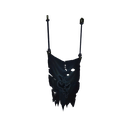


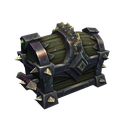




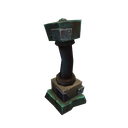


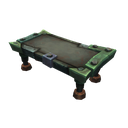
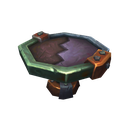
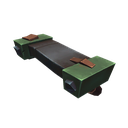


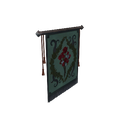
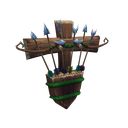

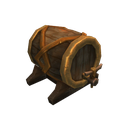

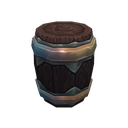

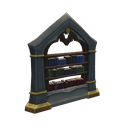

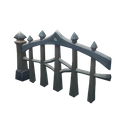
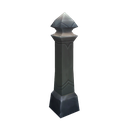

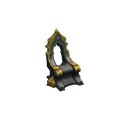
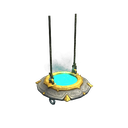


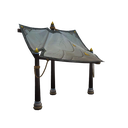


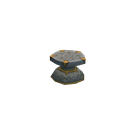
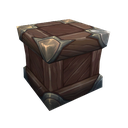
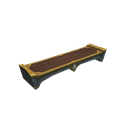











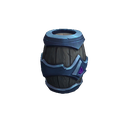
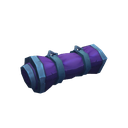

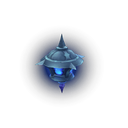
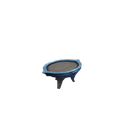

































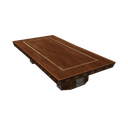
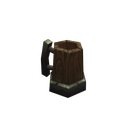
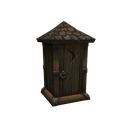
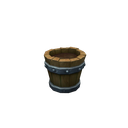



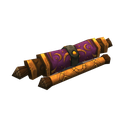
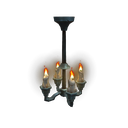
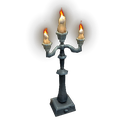


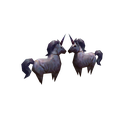


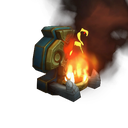
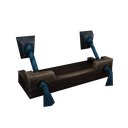
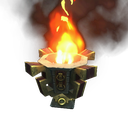
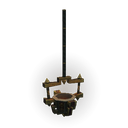
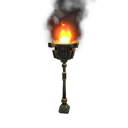
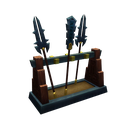


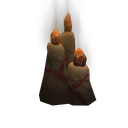







Related
Decorating Your WoW House: A Complete Guide to Housing Decor
Player housing in World of Warcraft gives you a personal space to build and decorate exactly how you want it. Unlike vendor-only transmog gear or collection achievements that demand specific drop rates, your house is purely creative. You decide what to place, where to place it, and which decor style fits your vision. TheWoWDB's housing decor database catalogs every item you can use, organized so you can browse by category, filter by type, and even design your house in 3D before committing to a layout.
This guide walks you through how housing works, where decor comes from, how to use the site's tools to find what you need, and the decisions you'll face as you decorate. Whether you're moving into your first home or redesigning for the tenth time, you'll find the answers here.
Understanding WoW Housing Basics
Your housing plot in World of Warcraft gives you a personal instance that no other player enters unless you invite them. Each plot exists in a neighborhood with a set number of houses, and you can customize the exterior, place items inside, and organize them however you like.
Your house has limited placement slots. The number varies depending on your interior size and customization level, but you cannot place every single item you own. This is the first decision point: you need to choose which pieces matter most to your vision. Do you want a complete study with desk, bookshelves, and seating, or a cozy bedroom with minimal furnishings? Do you prioritize atmospheric lighting, or do you want functional pieces that reflect your professions?
The house itself is an instanced space that persists whether you log in or not. You can visit at any time, decorate during slow gameplay, and return to the same layout every time you enter. Unlike a guild hall or shared space, your decorations stay exactly where you place them, making housing a personal canvas that reflects your playstyle over time.
Categories of Decor: What TheWoWDB Organizes
TheWoWDB organizes decor items into seven main categories. Understanding these categories helps you find exactly what you're looking for when you're planning a room or hunting for a specific piece.
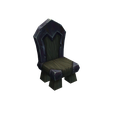
Furnishings are large, functional pieces: beds, tables, chairs, workbenches, crates, and storage. Furnishings typically take up more space and form the backbone of a decorated room. If you're furnishing a living area, furnishings are where you start.
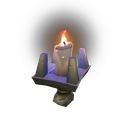
Accents are smaller decorative items: paintings, sculptures, candles, toys, scrolls, and collectibles. Accents fill visual gaps and add personality. A room with furnishings but no accents feels sparse; accents transform a basic layout into something with character.
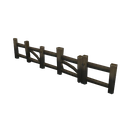
Structural pieces build the house itself: fences, walls, doors, platforms, and pillars. Some structural items are cosmetic decorations that look like architecture without actually blocking movement. Others form the skeleton of outdoor spaces or define zones within your house. The Housing Planner tool on the site lets you see how structural pieces fit together in 3D before you place them.
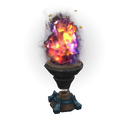
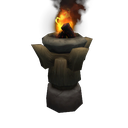
Lighting items include chandeliers, lamps, braziers, sconces, torches, and lanterns. Lighting sets the mood for any room. A bedroom with bright torches feels different than one with soft candlelight. Many lighting pieces are purely cosmetic, so you can stack multiple light sources without breaking immersion.
Nature items are plants, trees, flowers, vines, and garden-related decor. If you're building a garden, nature items are essential. You can also use them to green up indoor spaces or create patios and outdoor living areas.
Functional pieces serve specific gameplay purposes. These are the rarest category, with far fewer items than others. Functional pieces might include gathering nodes, pet beds, or other interactive decor that does something beyond looking nice.
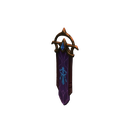
Miscellaneous items don't fit the other categories: statues, signposts, orreries, and one-of-a-kind pieces. Miscellaneous is where odd, thematic, or highly specialized decor lives.
You don't need pieces from every category, and most decorated houses focus on two or three. A study might lean heavily on furnishings and accents. An outdoor garden might be mostly nature and structural pieces. The site's database page lets you filter by category, so you can focus your search on what matters to your design.
Finding Decor: Using the Housing Planner and Site Tools
TheWoWDB provides multiple ways to browse and plan your decor. The housing decor page is the full catalog: all items, searchable and filterable by category, with thumbnail images and names. If you know roughly what you want and just need to see options, the grid view works well.
The Housing Planner is the more powerful tool. It lets you design your interior or exterior in 3D using real in-game models. You can place pieces, rotate them, stack them, and immediately see how they look together without guessing. The planner shows you which items have 3D renders and which don't.
Not every decor item has a 3D model extracted from the game files. Items without renders still exist in the game and you can still place them in your house, but the planner won't show them visually. If you're using the planner to design, focus on rendered items. If you're hunting for a specific piece you remember seeing, search the full database even if it doesn't have a render.
Searching is straightforward: go to the housing decor page, use the search box to type a keyword (like "chair" or "amani"), and browse results. Filter by category if you want only furnishings or lighting. The site also organizes items alphabetically by name, so if you're looking for all pieces from a specific faction, culture, or theme (like "Amani" pieces), you can scroll through the alphabet.
Where Decor Comes From: Sources and Collection
Decor items come from many sources across retail WoW. Understanding where to find specific pieces helps you decide which ones to hunt for and which ones to skip.
Vendors are the most straightforward source. NPCs in cities and outposts sell decor for gold or currencies. Once you know what you want, you can walk to a vendor and buy it immediately. Vendor decor is predictable and always available.
Achievement rewards often include decor pieces. Completing specific achievements grants you cosmetic housing items as one-time rewards. If you're an achievement hunter, housing decor is a nice side benefit to working toward goals anyway.
Profession crafting generates housing items. Blacksmiths, tailors, leatherworkers, and other crafting professions can create decor pieces if you have the recipes and materials. Crafted decor is often thematic to the profession, so a blacksmith might make decorative anvils and weapon racks.
Quest rewards sometimes include housing items. Completing story quests, world quests, and campaign content can grant cosmetic decor as rewards. If a quest chains into a decor item you like, it's a nice bonus while leveling or doing content anyway.
Drops from dungeons and raids include rare and themed decor pieces. If you run mythic dungeons or raids, you may find housing items as loot. These are often the most visually unique pieces tied to specific encounters or bosses.
Limited-time events like Brewfest, holidays, and seasonal content release event-exclusive decor. Some event items return each year, others are one-time only. Event decor tends to be thematic and collectible, so many players hunt for seasonal pieces during annual celebrations.
Reputation grinds can reward decor items at different faction levels. If you're already working on a reputation for other reasons, decor items are nice unlocks as you climb the ranks.
The source of any item might not be immediately obvious from the site, so if you find a piece you love, the decor's individual page may list where to obtain it. If it doesn't, check in-game notes, databases, or community forums for the specific source.
Organizing Your Decor: Decisions and Layout Strategy
Every player faces the same constraint: limited placement slots. You have to choose which decor matters most because you cannot place everything you own.
Start by asking yourself what you want the house to feel like. Is it a practical crafting workshop, a cozy living space, a museum of collectibles, or a themed recreation of an in-game location? Your answer guides everything else.
Furnishings take up the most space and define the room's function. If you're filling a study, you need a desk, chair, and bookshelves before you think about accents. If you're creating a tavern, you need tables and seating. Furnishings are the skeleton, and everything else hangs on them.
Accents fill visual gaps and express personality. After furnishings are placed, accents make the space feel intentional and detailed. A study with a desk, chair, and empty walls looks bare. Add some paintings, a plant, and a few small sculptures, and it feels like someone lives there.
Lighting shapes the mood. A bedroom with only hard torches feels industrial. Soft candlelight makes it cozy. Lighting is a lower priority if your space already feels good, but if something feels off, adding or changing lighting often fixes it.
Nature and structural pieces are typically project-specific. If you're building an outdoor garden, nature items are the focus. If you're redesigning your exterior, structural elements matter. For indoor spaces focused on furnishings and accents, nature and structural pieces are usually secondary.
Functional and miscellaneous items are usually collected as bonuses. If you find a functional piece that fits your theme, place it. If you see a unique miscellaneous item that sparks joy, use it. These categories are lower priority unless they specifically serve your vision.
The Housing Planner tool is essential for layout strategy. Because you can see 3D models of your items before placing them, you can experiment with different layouts without wasting in-game time. The planner lets you move pieces around, see how they fit together, and plan your space before you commit.
Placement strategy depends on your theme. A reading nook might cluster chairs, a small table, bookshelves, and lighting in one corner. A crafting workshop might arrange workbenches and tool racks along walls. A tavern might center everything around a large bar or dining table. The planner helps you visualize these arrangements.
Consider sightlines. If you have a favorite view from your doorway or a window, position focal pieces (like a large painting, sculpture, or decorated table) where you'll see them when you enter. Consider how you actually spend time in the space. If you're standing in one spot while your house loads, what do you see?
Size matters. Some furnishings are small and delicate; others are huge and command the space. A giant anvil or altar needs central placement and clear space around it. Small decorative pieces can cluster without feeling crowded. The planner shows you exact sizes, so you can judge proportions before placing items.
Lighting should be distributed throughout the space. If all your light sources cluster in one corner, the rest of the house feels dark. Spread lighting across walls, corners, and central areas for balanced visibility and atmosphere.
The planner tool shows structural pieces in context, which is invaluable for fences, platforms, and wall pieces. These items can be tricky to visualize without seeing them in 3D. The planner removes guesswork from structural decisions.
Common Mistakes and How to Avoid Them
Many new decorators make predictable mistakes. Learning from them saves time and currency.
Over-furnishing is common. You place too many large pieces and end up with a cluttered space that feels suffocating. Furnishings should be functional and intentional, not wall-to-wall. Start with essential pieces and add accents around them. If the space feels too empty, add accents and lighting before adding more furnishings. A good rule of thumb: if you cannot walk through or around a piece without bumping into others, you have too much furniture.
Ignoring scale is another trap. You see a beautiful large sculpture and place it next to a tiny table, and the proportions look wrong. A good rule: use the planner to see how pieces relate to each other before placing them. Large pieces should anchor a space; smaller accents fill gaps. When in doubt, look at how other players have arranged similar pieces by visiting their homes or browsing community examples.
Mismatched aesthetics. This happens when you mix decor from different themes without intention. A Silvermoon-themed study mixed with Amani troll furniture looks jarring. Themed rooms benefit from cohesive aesthetics. You can mix themes if it's intentional (like a trophy room with pieces from multiple cultures), but random mixing usually looks chaotic. If you're trying two themes together, test them in the planner first.
Forgetting lighting. Even if you don't want a tavern full of candles, a well-lit space feels more inviting than a dark one. Most spaces benefit from at least some lighting, even if it's minimal. Consider a mix of bright and soft lighting sources to create depth and atmosphere.
Not using the planner. This wastes time and gold placing items, realizing they don't fit, and moving them. The planner is free and saves resources. Use it before placing anything major. Spend time experimenting in the 3D space before committing to your layout in-game.
Chasing every item. This is a resource trap. You cannot get every decor item without massive grinding or spending considerable gold. Decide which pieces matter to your vision and skip the rest. A focused, intentional space beats a scattered collection of everything. Quality over quantity applies to housing as much as any other aspect of the game.
Housing in Different WoW Versions
Housing is a retail-only feature in current World of Warcraft. Classic Era, Burning Crusade Classic, and Wrath Classic do not include housing systems. If you play on those versions, housing is not available.
The housing system may or may not be the same as retail's implementation. The development team is still working on the feature, so mechanics and available items may shift significantly.
Retail WoW's housing system is the most feature-complete, with the largest decor catalog and the most tools for customization. The site's database reflects current retail availability. If you're looking for the widest selection and the most mature system, retail is where you'll find it.
Plan your housing projects accordingly based on which version you main.
Using TheWoWDB's Housing Database and Decor Pages
TheWoWDB's housing decor database is the most comprehensive catalog available. Every item is listed with its name, category, and a thumbnail image if a 3D model exists.
The individual decor pages (accessible by clicking any item on the main decor page) show details specific to that piece. A decor page tells you the item's category, whether it has a 3D render for the planner, and sometimes additional context like which expansion or content it came from.
The database hub lets you explore housing decor and other WoW data. You can access the housing section, search across multiple item types, and find currency information relevant to obtaining items.
The Housing Planner is linked directly from the decor pages, letting you jump to the 3D designer and experiment with pieces you've seen. This workflow (browse decor, find something you like, open the planner to test it) is how most players discover their favorite layouts.
Many players bookmark specific decor pages or create personal lists of items they want to collect. TheWoWDB makes this workflow smooth: browse, click through to detailed item pages, save links, and reference them later when you're ready to hunt for each piece.
Building a Themed House: A Practical Approach
Themed housing is the easiest way to create a cohesive look. Instead of picking random pieces, you select a specific culture, faction, or aesthetic and use items from that theme.
Start by choosing your theme. Popular themes include Silvermoon blood elf, Amani troll, Kaldorei night elf, human kingdoms, Mechagon gnome, and many others associated with WoW races, classes, and professions. Each theme has dozens of pieces on the database, organized alphabetically by name.
Browse the theme on the housing decor page by searching for its name. For example, search "Silvermoon" to see all pieces with Silvermoon in their name. Scroll through results and mark your favorites.
Open the Housing Planner and begin placing pieces you've marked. Start with furnishings (desk, table, chairs), then add structural pieces if needed (walls, fences), then layer in accents and lighting. The planner shows you in real-time whether the pieces work together visually.
Themed rooms are forgiving. If every piece is from the same culture or faction, they almost automatically coordinate. You're unlikely to mix incompatible aesthetics when you're pulling from one source.
Once you're happy with the planner layout, get the pieces in-game and place them. Themed housing is one of the fastest ways to decorate because the decisions are made for you by the theme itself.
Collecting Decor: Setting Priorities
Collecting everything is unrealistic. Most players adopt a collecting strategy: hunt specific items that fit their vision, skip the rest.
Themed collectors gather all pieces from one culture or aesthetic. This requires significant gold or currency, but the result is a cohesive, intentional-looking space. Themed collecting is finite and achievable.
Casual collectors grab items they like whenever they find them. No specific target, just opportunistic collection. This approach builds a personal, eclectic house that reflects whatever pieces appealed to you over time.
Completionists hunt every decor item. This requires serious commitment, gold reserves, and time investment. Few players aim for true completion, but some do.
Functional collectors prioritize specific categories: all lighting items, or all furnishings for a particular room type. This is manageable and creates a house filled with items you actually use.
Achievement decorators collect decor as a side benefit of working toward achievements, not as a primary goal. Housing is secondary to the achievement itself.
Choose a strategy that matches your playstyle. If you like focused goals, themed collecting works. If you play casually, opportunistic collecting is less stressful. If you're a completionist by nature, you might aim for themed completion first, then expand outward.
Gold, Currency, and Crafting
Decor costs gold or specific currencies. Understanding the cost structure helps you budget your resources.
Gold is the universal decor currency. Vendors sell items for gold. Farming gold to buy decor is straightforward: do activities you'd do anyway and set the gold aside for decorations.
Specific currencies like reputation tokens or event coins buy faction-specific or event-specific decor. These currencies come from doing content associated with that faction or event. If you want vendor decor from a specific faction, you need to grind reputation or do activities tied to that currency.
Some decor is obtained through gameplay (drops, achievements, quests) rather than purchase, so those items are free beyond the time investment to get them.
If you're a crafter, you can make decor items for your house and for other players who need them. Different professions produce different types of decor. Blacksmiths craft metalwork and functional pieces using recipes. Tailors create fabric items like curtains and cushions. Leatherworkers make leather furniture and decorative pieces. Crafted decor often requires materials from gathering professions and sometimes dungeon or raid drops. The cost to craft depends on material prices, which vary by realm and patch.
If you're working on professions anyway, crafting decor is a natural side project. You learn the recipes through normal progression, gather materials as you play, and craft pieces for your house whenever you have time. For casual decorators, buying decor from vendors or NPCs is often faster and cheaper than crafting. For committed decorators and crafters, making items yourself is rewarding and gives you pieces tailored exactly to your vision.
Plan your decor budget based on how much you're willing to spend. If gold is tight, focus on drops and achievement rewards. If you have surplus gold, vendor decor is convenient. If you're committed to a specific theme, add up the gold cost and set that as your target. Many players spend several thousand gold on a fully decorated room. Some themed rooms cost tens of thousands. Budgeting prevents you from over-committing resources on housing when other gameplay needs gold.
Seasonal Decor and Redesigning
Some decor appears only during specific times of year, and collecting seasonal items is a long-term project. Holiday events return annually with the same decor. Brewfest, Love is in the Air, Lunar Festival, and other holidays each have specific housing items. If you miss an event, you need to wait a year to get those items. Many players develop an annual habit of collecting seasonal decor during events.
Special limited-time events tied to patches or expansions might introduce one-time-only decor. These items never return, so if you want them, you need to get them during the limited window. Popular one-time decor becomes collectible and sought-after. Limited-time decor often shapes housing trends. When a new event-exclusive item is released, many players want it for their houses. The result is themed events: players building rooms around a specific festival's aesthetic because that event's decor is distinctive and time-limited.
Plan ahead for seasonal decor. Mark your calendar for events you want to collect during, prioritize the items you most want, and log in during the event window to get them. If you're a collector, seasonal decor is part of your long-term strategy.
Most players redecorate at least once. You might change your theme, swap out old items for new ones, or refresh your space with seasonal decor. Seasonal redecorating is common during holidays. You might keep a "winter" version of your house with holiday decor and switch back to your base theme after the holidays. Some players maintain multiple theme variations and swap them seasonally.
The Housing Planner makes redesigning smooth. Remove old placements, add new items to the planner, and test layouts. Because the planner is free and reversible, you can experiment without committing to changes in-game. Redesigning does not cost resources; it only costs time. If you get bored with your current setup, redesigning is free and can feel like getting a fresh house without any actual grinding.
One downside of redesigning is displaced decor. When you remove items to redesign, those items go back to your inventory. If your inventory is full, you cannot pick up items you've removed. Bank space or an alt's storage becomes necessary for decorators who frequently redesign.
Getting Started with Your House
You now understand how housing works, where decor comes from, how to use the site's tools, and how to avoid common mistakes. The next step is simple: open the Housing Planner, browse the housing decor catalog, and start experimenting.
Pick a room. Choose a theme or aesthetic that appeals to you. Browse the housing decor page and save screenshots or bookmarks of items you like. Open the planner and start placing pieces. Refine your layout until it feels right. Then get the items in-game and make it real.
Visiting other players' houses in-game is a great way to get inspiration. You cannot copy another player's exact layout through the site, but you can visit, see their setup, and get ideas. If you see a piece you like, ask them where they got it or search TheWoWDB for something similar. Community spaces like guilds or discord servers often share housing screenshots or coordinate visits to creative homes.
Your house reflects your personal taste and creativity. There's no optimal setup, no wrong choices, just your space built exactly how you want it. Start small, expand at your own pace, and build something you love.
How many items can I place in my house?
Your placement limit depends on your interior size and customization level. Different housing plots have different capacity limits. Check your actual in-game housing interface to see your current limit and usage.
Can I see what 2,274 decor items look like before getting them?
TheWoWDB has 3D models (renders) for many decor items. These rendered items appear in the Housing Planner, where you can see exactly how they look. Items without renders still exist in-game but don't have 3D previews on the site. You can see their thumbnail images on the housing decor page, or look them up in-game if you want to see them rendered.
What's the fastest way to get decor?
Vendor decor is fastest if you have gold or currencies. Buy from NPCs and place immediately. Achievement and quest rewards are free (only time investment). Drops and crafted items take longer. Pick a collection strategy and focus on the sources that match your playstyle.
Can I get seasonal event decor if I missed the event?
Most seasonal events return annually, so you can get the decor next year when the event runs again. Some one-time limited-event decor never returns. Check when each event is scheduled and plan ahead if you want specific seasonal items.
How do I make gold to buy decor?
Standard gold farming applies. Do dungeons, raids, world quests, or other content that drops gold. Sell items you loot to vendors or the auction house. Professions can generate gold if you're willing to farm materials and sell crafted goods. Set a gold budget for decor and farm accordingly.
Which decor comes from which source?
Individual decor pages on TheWoWDB sometimes note the source, but not all items have this information filled in. If you want a specific item, check the item's in-game description or look it up in community resources for sourcing information.
What's the difference between Furnishings, Accents, Structural, and other categories?
Furnishings are large functional pieces (beds, tables, chairs). Accents are small decorative items (paintings, sculptures, candles). Structural pieces build your space (walls, fences, doors). Lighting includes lamps, chandeliers, and torches. Nature is plants and garden items. Functional has interactive pieces, and Miscellaneous is everything else. Organize your collection by browsing these categories.
Does WoW Classic have housing?
Housing is a retail-only feature in current World of Warcraft. Classic Era, TBC Classic, and Wrath Classic do not include housing.
Can I copy another player's house layout?
You can visit other players' houses in-game to get inspiration, but you cannot copy their exact layout through the site. Use other houses as inspiration, find similar items on TheWoWDB, and build your own unique design.
Should I collect every decor item?
No. Collecting everything requires massive resources. Pick a collecting strategy (themed, casual, functional) and focus on items that fit your vision. A purposeful house with fewer items you love beats a cluttered space with everything.
Playing WoW Forever? Forever is Blizzard's Classic-based version and it is still in beta, so this guide does not make claims about how this system will work there. What the beta client actually contains is tracked on the WoW Forever hub, and anything you read about Forever before launch can change. Until it ships, the Classic Era notes in this guide are the closest reference for how a Classic ruleset treats this topic.